This event has been ended!
Ako sme žili v rokoch normalizácie
As we lived in the years of normalization
Event by: Mestské divadlo Žilina, ASPEKT
Location: Žilina Town Theatre, Horný Val 1, Žilina
Tickets: Get tickets
Talks & discussions
About event
Talks with Community Actors
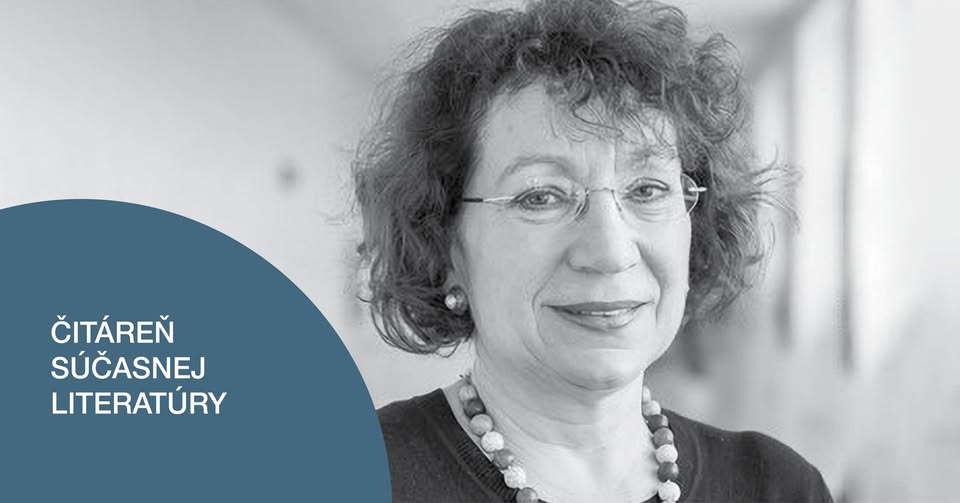
At the beginning of February, we will welcome sociologist Olga Gyárfášová, who will present her title as we lived in the years of normalization. Successful book of interviews with ten women who were part of the alternative opposition community in the years of normalization in Bratislava was published by the ASPECT. Security sought to gain control of their lives. The talks are closer to the political regime to resist the role of the network of family, friendly and distant relationships, but also space for themselves. In the memories they open the topics of emigration, family, preparation of samizdat, imprisonment, interrogation, community of close people and personal freedom, or what strategies they managed persecution and at the same time how they created a safe background for their families and partners. At the beginning of the book, Olga Gyárfášová mentions that her attention “attracted mainly their own reflection of this life experience. Interviews with ten defiance actors can be read in many ways. Together they outline something as a group portrait and a partial picture of the time. ” br/>
Olga Gyárfášová, rod. Konradová (b. 1957 in Bratislava) was part of the second half of the 1970s part of the Bratislava alternative community, contributed to the publication and expansion of samizdat literature and illegal magazines Altamira and contact. She also participated in happening and events of temporary society of intensive survival, prepared by Tomáš Petřivo, Ján Budaj and others. Due to "Závada's activity" and contacts with people from the dissident movement, it was interested in state security, her union of "examined person" was shredded in December 1989. and founders of independent public opinion research in Slovakia. In the 1990s, she worked as a freelance correspondent for Radio Free Europe (RFE) from Vienna. She has become a founding member of an independent Think Tank Tank Institute for Public Affairs, with which she has been working for many years. It was also part of several projects and campaigns of NGOs, regularly commented and analyzed political events for the media. Later she began to focus more on academic and pedagogical work. It is currently working at the Faculty of Social and Economic Sciences of Comenius University in Bratislava. This year also published the first issue of the feminist cultural magazine Aspect, which was the first feminist magazine in the former Czechoslovakia as a Slovak-Czech medium and today continues as Webzin Aspektin.
In 1996 they founded a book edition in More than 140 titles were published. For nearly three decades, they have made available topics that concern mainly the gender relationships and life of women and show that feminist literature as a monolithic category does not exist. They focus on many areas and topics, such as the history of women, quirks and the rights of LGBTI people, aging, literary science, art, migration, gender -related violence, reproductive justice, gender theories, as well as gender aspects of work, policies, citizens, economics and others.
At the beginning of February, we will welcome sociologist Olga Gyárfášová, who will present her title as we lived in the years of normalization. Successful book of interviews with ten women who were part of the alternative opposition community in the years of normalization in Bratislava was published by the ASPECT. Security sought to gain control of their lives. The talks are closer to the political regime to resist the role of the network of family, friendly and distant relationships, but also space for themselves. In the memories they open the topics of emigration, family, preparation of samizdat, imprisonment, interrogation, community of close people and personal freedom, or what strategies they managed persecution and at the same time how they created a safe background for their families and partners. At the beginning of the book, Olga Gyárfášová mentions that her attention “attracted mainly their own reflection of this life experience. Interviews with ten defiance actors can be read in many ways. Together they outline something as a group portrait and a partial picture of the time. ” br/>
Olga Gyárfášová, rod. Konradová (b. 1957 in Bratislava) was part of the second half of the 1970s part of the Bratislava alternative community, contributed to the publication and expansion of samizdat literature and illegal magazines Altamira and contact. She also participated in happening and events of temporary society of intensive survival, prepared by Tomáš Petřivo, Ján Budaj and others. Due to "Závada's activity" and contacts with people from the dissident movement, it was interested in state security, her union of "examined person" was shredded in December 1989. and founders of independent public opinion research in Slovakia. In the 1990s, she worked as a freelance correspondent for Radio Free Europe (RFE) from Vienna. She has become a founding member of an independent Think Tank Tank Institute for Public Affairs, with which she has been working for many years. It was also part of several projects and campaigns of NGOs, regularly commented and analyzed political events for the media. Later she began to focus more on academic and pedagogical work. It is currently working at the Faculty of Social and Economic Sciences of Comenius University in Bratislava. This year also published the first issue of the feminist cultural magazine Aspect, which was the first feminist magazine in the former Czechoslovakia as a Slovak-Czech medium and today continues as Webzin Aspektin.
In 1996 they founded a book edition in More than 140 titles were published. For nearly three decades, they have made available topics that concern mainly the gender relationships and life of women and show that feminist literature as a monolithic category does not exist. They focus on many areas and topics, such as the history of women, quirks and the rights of LGBTI people, aging, literary science, art, migration, gender -related violence, reproductive justice, gender theories, as well as gender aspects of work, policies, citizens, economics and others.