This event has been ended!
Anopluroj (pedikoj) kaj ekzantema tifo
Ringworm (lice) and exanthematous typhus
Event by: Esperanto Brno
Location: Investor, S.r.o., Hybešova 310/65, Brno-střed
Talks & discussions
About event
Vši a skvrnitý tyfus
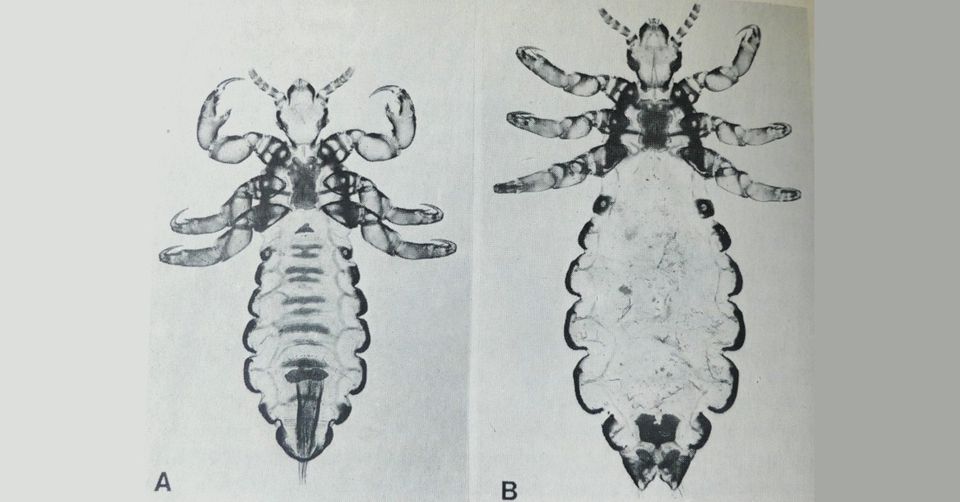
[en] Anoplura (lice, the suborder Anoplura) are insects from the order Phthiraptera. They are adapted to life on their hosts' bodies and sucking their blood. Of the three species that parasitize humans, the most dangerous is the head louse Pediculus humanus, which hides in folds of clothing and attacks humans from there. It spreads easily in places where there are many people and poor hygiene conditions (barracks, trenches, bunkers, prisons, etc.). The rickettsia Rickettsia prowazeki develops in the intestines of the lice. While sucking the blood, an infected louse infects a person with the rickettsiae, which can cause exanthematous typhus (this is not intestinal typhus). Most often after 1-2 weeks the patient starts suffering from fever and chills. The patient's consciousness is clouded, but sometimes he has hallucinations. The main symptom is exanthema on the body, but neither on the face nor on the palms. If the disease is not treated effectively, the patient may die. Transmission of the rickettsia through P. humanus was demonstrated by Charles Jules Henri Nicolle and studied in detail among prisoners of war by Stanislav Provázek and Henrique da Rocha Lima, who both became infected and died. For this reason, the cause of typhus was called Rickettsia prowazeki da Rocha Lima, 1916. During the Second World War, Rudolf Weigl discovered the first effective vaccine against typhus. This is how he saved the lives of thousands of people who were vaccinated in time or worked in his institute while manufacturing the vaccine and thus they avoided transportation to concentration camps. At present, typhoid fever can be treated with antibiotics (tetracycline, chloramphenicol). Other two types of lice that parasitize humans (Pediculus capitis and Phthirus pubis) do not transmit the causative agent of exanthemous typhus. Jső szászány životu na tjelech žežístů a sání jičich krve. The three species that cut off the lids are the most dangerous ves šatní (Pediculus humanus), which lives secretly in the back of the šatů and attacks the lid from the south. It is easy to spread in places where many people have poor hygienic conditions (in kasárnách, zákopech, bunkrech, végznicích etc.). Ve žinųlě vší se vyvíjí rickettsie Rickettsia prowazeki. Při sání krve nakažená veš nakazí článku rickettsiemi, jež mohuen vyvolat skvrnitý typhus (to něni břišní typhus). Nejčastěji za 1-2 weeks nemocný červík začena trpět horečkou a zimnicí. Pacientovo vodíje je zastřeno, ale vačiní mívá hallucinace. Hlavním symptomem je vyrážka na tjele, ale nikdy na fajjiji ani na dlaních. Nění-li nemoc počně léčena, pacient mohé zemřít. Přenos rickettsií vší šatní (Pediculus humanus) proved Charles Jules Henri Nicolle a mezi warlennými zajatci podrobně studovali Stanislav Provázek and Henrique da Rocha Lima, who were both infected and died. Proto byl povrodce skvarnitého tyfu nazván Rickettsia prowazeki da Rocha Lima, 1916. Za drů světní válký Rudolf Weigl vynalezl první počovnou očkováci látku proti skvrnitemu tyfu. Zachronil tak život tíčíkům říkutů byli vádak očkováni nebo vyráběli v jeho ústavu vaccinu a vyžnuli se tak dispésení do koncentračních táborů. V důžený dobře lze skvrnitý tyfus léčit antibiotics (tetracyklinem, chloramfenikolem). Jiné dva druhy vší, kéré cizopasí na lidech (veš dětská – Pediculus capitis a veš muňka – Phthirus pubis) pródúlce skvrnitého tyfu neprenášení.
Lecturer/přednášecí: Oldřich Arnošt Fischer
Language: Esperanto
[en] Anoplura (lice, the suborder Anoplura) are insects from the order Phthiraptera. They are adapted to life on their hosts' bodies and sucking their blood. Of the three species that parasitize humans, the most dangerous is the head louse Pediculus humanus, which hides in folds of clothing and attacks humans from there. It spreads easily in places where there are many people and poor hygiene conditions (barracks, trenches, bunkers, prisons, etc.). The rickettsia Rickettsia prowazeki develops in the intestines of the lice. While sucking the blood, an infected louse infects a person with the rickettsiae, which can cause exanthematous typhus (this is not intestinal typhus). Most often after 1-2 weeks the patient starts suffering from fever and chills. The patient's consciousness is clouded, but sometimes he has hallucinations. The main symptom is exanthema on the body, but neither on the face nor on the palms. If the disease is not treated effectively, the patient may die. Transmission of the rickettsia through P. humanus was demonstrated by Charles Jules Henri Nicolle and studied in detail among prisoners of war by Stanislav Provázek and Henrique da Rocha Lima, who both became infected and died. For this reason, the cause of typhus was called Rickettsia prowazeki da Rocha Lima, 1916. During the Second World War, Rudolf Weigl discovered the first effective vaccine against typhus. This is how he saved the lives of thousands of people who were vaccinated in time or worked in his institute while manufacturing the vaccine and thus they avoided transportation to concentration camps. At present, typhoid fever can be treated with antibiotics (tetracycline, chloramphenicol). Other two types of lice that parasitize humans (Pediculus capitis and Phthirus pubis) do not transmit the causative agent of exanthemous typhus. Jső szászány životu na tjelech žežístů a sání jičich krve. The three species that cut off the lids are the most dangerous ves šatní (Pediculus humanus), which lives secretly in the back of the šatů and attacks the lid from the south. It is easy to spread in places where many people have poor hygienic conditions (in kasárnách, zákopech, bunkrech, végznicích etc.). Ve žinųlě vší se vyvíjí rickettsie Rickettsia prowazeki. Při sání krve nakažená veš nakazí článku rickettsiemi, jež mohuen vyvolat skvrnitý typhus (to něni břišní typhus). Nejčastěji za 1-2 weeks nemocný červík začena trpět horečkou a zimnicí. Pacientovo vodíje je zastřeno, ale vačiní mívá hallucinace. Hlavním symptomem je vyrážka na tjele, ale nikdy na fajjiji ani na dlaních. Nění-li nemoc počně léčena, pacient mohé zemřít. Přenos rickettsií vší šatní (Pediculus humanus) proved Charles Jules Henri Nicolle a mezi warlennými zajatci podrobně studovali Stanislav Provázek and Henrique da Rocha Lima, who were both infected and died. Proto byl povrodce skvarnitého tyfu nazván Rickettsia prowazeki da Rocha Lima, 1916. Za drů světní válký Rudolf Weigl vynalezl první počovnou očkováci látku proti skvrnitemu tyfu. Zachronil tak život tíčíkům říkutů byli vádak očkováni nebo vyráběli v jeho ústavu vaccinu a vyžnuli se tak dispésení do koncentračních táborů. V důžený dobře lze skvrnitý tyfus léčit antibiotics (tetracyklinem, chloramfenikolem). Jiné dva druhy vší, kéré cizopasí na lidech (veš dětská – Pediculus capitis a veš muňka – Phthirus pubis) pródúlce skvrnitého tyfu neprenášení.
Lecturer/přednášecí: Oldřich Arnošt Fischer
Language: Esperanto