This event has been ended!
Ecologies of the Machine: Landscapes of Cement and Power - vernisáž / opening
Event by: VI PER
Location: Vítkova 293/2, Vítkova 2, Praha 8
Talks & discussions
About event
/Please Scroll Down for English/
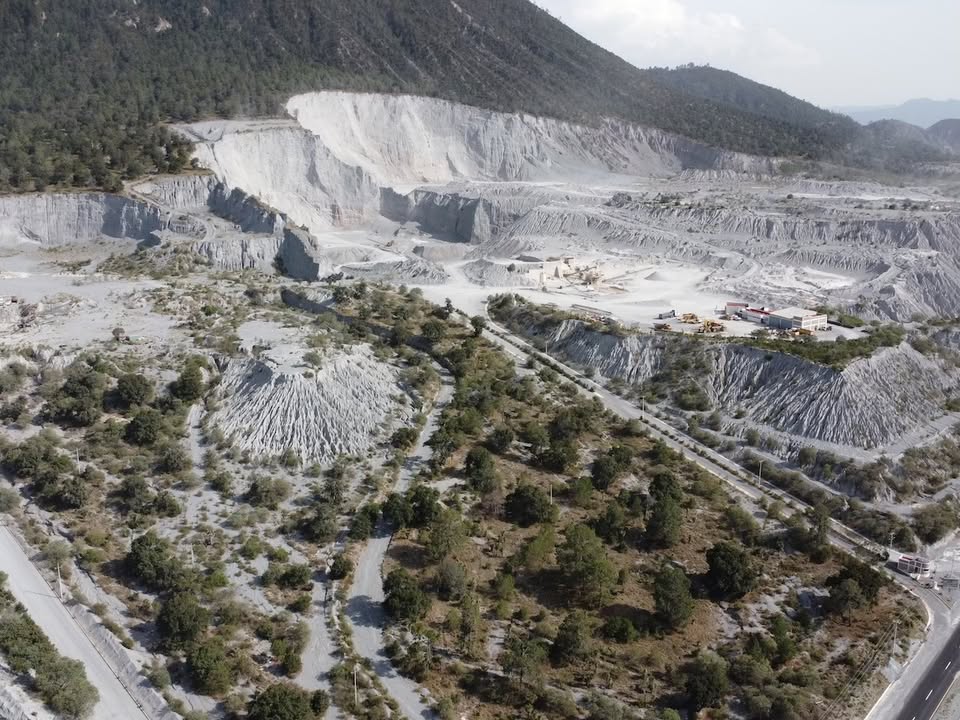
Cement is today the most used building material in the world. The specific forces fed by capital, which powered the cement industry, from its inception in the 19th century to the peak of this industry during the 20th century, established it as a material that is of fundamental importance for the formation of contemporary and man -made landscapes. The ecological impact of the cement industry exceeds buildings and built -up land, and in the last two centuries it has fundamentally affects the transformation of landscape, natural resources, social and work organization, the whole economy and the environment. From the mining of raw materials to the construction of cities, cement in all its forms is present in all its forms as a factor of change that rules the economics and even the air that we breathe. The renowned mixture of five limestone parts (CACO3), two parts of the aluminum and the addition of gypsum radically transformed the construction industry itself and the processes of its production, distribution and use and transformed the whole world. The world's second largest cement company is located, with 97 % of all production consumed directly on the domestic market. This condition is recorded by the fact that 87 % of the total surface area of Mexico is just limestone, as well as a legal framework for mining and products that can only be used for building purposes, creates a number of exceptions. Thus, the landscape is not protected from one of the largest industries in the country and is an ideal space for its exponential growth. By exploring the historical context and contemporary narratives in the cement industry, the exhibition seeks to reveal the secret history of these facts and prove how they worked and operate to help maintain the position, power and profit of individuals and whole groups. It also aims to imagine power dynamics in the background of sociotechnical regimes and at the same time document the inevitable and overlooked changes in the Mexican landscape. The exhibition - the centerpiece is a furnace, a key technological element of cement production - acts as a machine that converts material into material. It represents six themes - culture, workers, capital, self -help, social sphere and environment - to explore cement as material, industry and ideology. Aldape
Graphic Design: Estudio P
Installation: Jakub Chrenčík
Ecologies of the Machine: Landscapes of cement and power presents material from the Atlas Materia project Prima. The Distinct Capital Driven Forces That HAVE PUSHED The Cement Industry Since Its Appearance in the 19th Century and Intto Its High Rise During the 20th, have consolidated it as and the material crucial in shaping contemporary natural and artificial landscapes. ITS Ecological Impact Extends Past The Buildings and Land They Occupy, Holding Power Over the Last Two Centuries to Transform Landscapes, Natural Resources, Social and Labor Structures, Economies, and Environments. From the Extraction of Raw Materials to the Construction of Cities, Cement is Present in All Its Forms As Agent of Change The Famous Mix of Five Parts Limestone (CACO3), Two Parts Aluminosilicate and Added Gypsum Has Radically Changed the Construction Industry, ITS Processes of Production, Distribution, and Use, Have Changed The World.
Cement-producting Nation, Home to The Second Larges Cement Company in the World, While Domestically Consuming 97% of All Cement IT Produces. This Condition is Fuled by A Land with 87% of Its Total Made Out of Limestone, and A Regulatory Legal Frame That Exempts of the Extraction of Rocks and Products That Can Only Be Used for Construction Purposes, Landscape Unproted Against Country and Making it The Perfect Laying Ground for it to Grow Exponentially.
Industry in Mexico. By Examining the Historical Discourse and Contemporary Narratives in the Cement Industry, The Exhibition Seeks to Reveal the Hidden History of Such Realities, Evidence How The Have Worked to Maintain the Position, Power and Profit of Individuals, Presenting the Power Dynamics Underly Socio-Technical Regimes, While Documenting The Inevitable and Overlooted Alterations to the Mexican Landscape. The exhibition-Rotating the Aroud the Kiln, The Key Piece of Technology in Cement Production-Operates As A Machine, Transforming Matter Into Material, Introduction Six Themes-Culture, Labor, Capital, Self-Constrion, Social, and the Environment- Industry, and an ideology.
Research Project: Erika Loana and Kim Förster Machine: Landscapes of cement and power presents material from the Atlas Materia Prima Project.
Cement is today the most used building material in the world. The specific forces fed by capital, which powered the cement industry, from its inception in the 19th century to the peak of this industry during the 20th century, established it as a material that is of fundamental importance for the formation of contemporary and man -made landscapes. The ecological impact of the cement industry exceeds buildings and built -up land, and in the last two centuries it has fundamentally affects the transformation of landscape, natural resources, social and work organization, the whole economy and the environment. From the mining of raw materials to the construction of cities, cement in all its forms is present in all its forms as a factor of change that rules the economics and even the air that we breathe. The renowned mixture of five limestone parts (CACO3), two parts of the aluminum and the addition of gypsum radically transformed the construction industry itself and the processes of its production, distribution and use and transformed the whole world. The world's second largest cement company is located, with 97 % of all production consumed directly on the domestic market. This condition is recorded by the fact that 87 % of the total surface area of Mexico is just limestone, as well as a legal framework for mining and products that can only be used for building purposes, creates a number of exceptions. Thus, the landscape is not protected from one of the largest industries in the country and is an ideal space for its exponential growth. By exploring the historical context and contemporary narratives in the cement industry, the exhibition seeks to reveal the secret history of these facts and prove how they worked and operate to help maintain the position, power and profit of individuals and whole groups. It also aims to imagine power dynamics in the background of sociotechnical regimes and at the same time document the inevitable and overlooked changes in the Mexican landscape. The exhibition - the centerpiece is a furnace, a key technological element of cement production - acts as a machine that converts material into material. It represents six themes - culture, workers, capital, self -help, social sphere and environment - to explore cement as material, industry and ideology. Aldape
Graphic Design: Estudio P
Installation: Jakub Chrenčík
Ecologies of the Machine: Landscapes of cement and power presents material from the Atlas Materia project Prima. The Distinct Capital Driven Forces That HAVE PUSHED The Cement Industry Since Its Appearance in the 19th Century and Intto Its High Rise During the 20th, have consolidated it as and the material crucial in shaping contemporary natural and artificial landscapes. ITS Ecological Impact Extends Past The Buildings and Land They Occupy, Holding Power Over the Last Two Centuries to Transform Landscapes, Natural Resources, Social and Labor Structures, Economies, and Environments. From the Extraction of Raw Materials to the Construction of Cities, Cement is Present in All Its Forms As Agent of Change The Famous Mix of Five Parts Limestone (CACO3), Two Parts Aluminosilicate and Added Gypsum Has Radically Changed the Construction Industry, ITS Processes of Production, Distribution, and Use, Have Changed The World.
Cement-producting Nation, Home to The Second Larges Cement Company in the World, While Domestically Consuming 97% of All Cement IT Produces. This Condition is Fuled by A Land with 87% of Its Total Made Out of Limestone, and A Regulatory Legal Frame That Exempts of the Extraction of Rocks and Products That Can Only Be Used for Construction Purposes, Landscape Unproted Against Country and Making it The Perfect Laying Ground for it to Grow Exponentially.
Industry in Mexico. By Examining the Historical Discourse and Contemporary Narratives in the Cement Industry, The Exhibition Seeks to Reveal the Hidden History of Such Realities, Evidence How The Have Worked to Maintain the Position, Power and Profit of Individuals, Presenting the Power Dynamics Underly Socio-Technical Regimes, While Documenting The Inevitable and Overlooted Alterations to the Mexican Landscape. The exhibition-Rotating the Aroud the Kiln, The Key Piece of Technology in Cement Production-Operates As A Machine, Transforming Matter Into Material, Introduction Six Themes-Culture, Labor, Capital, Self-Constrion, Social, and the Environment- Industry, and an ideology.
Research Project: Erika Loana and Kim Förster Machine: Landscapes of cement and power presents material from the Atlas Materia Prima Project.