This event has been ended!
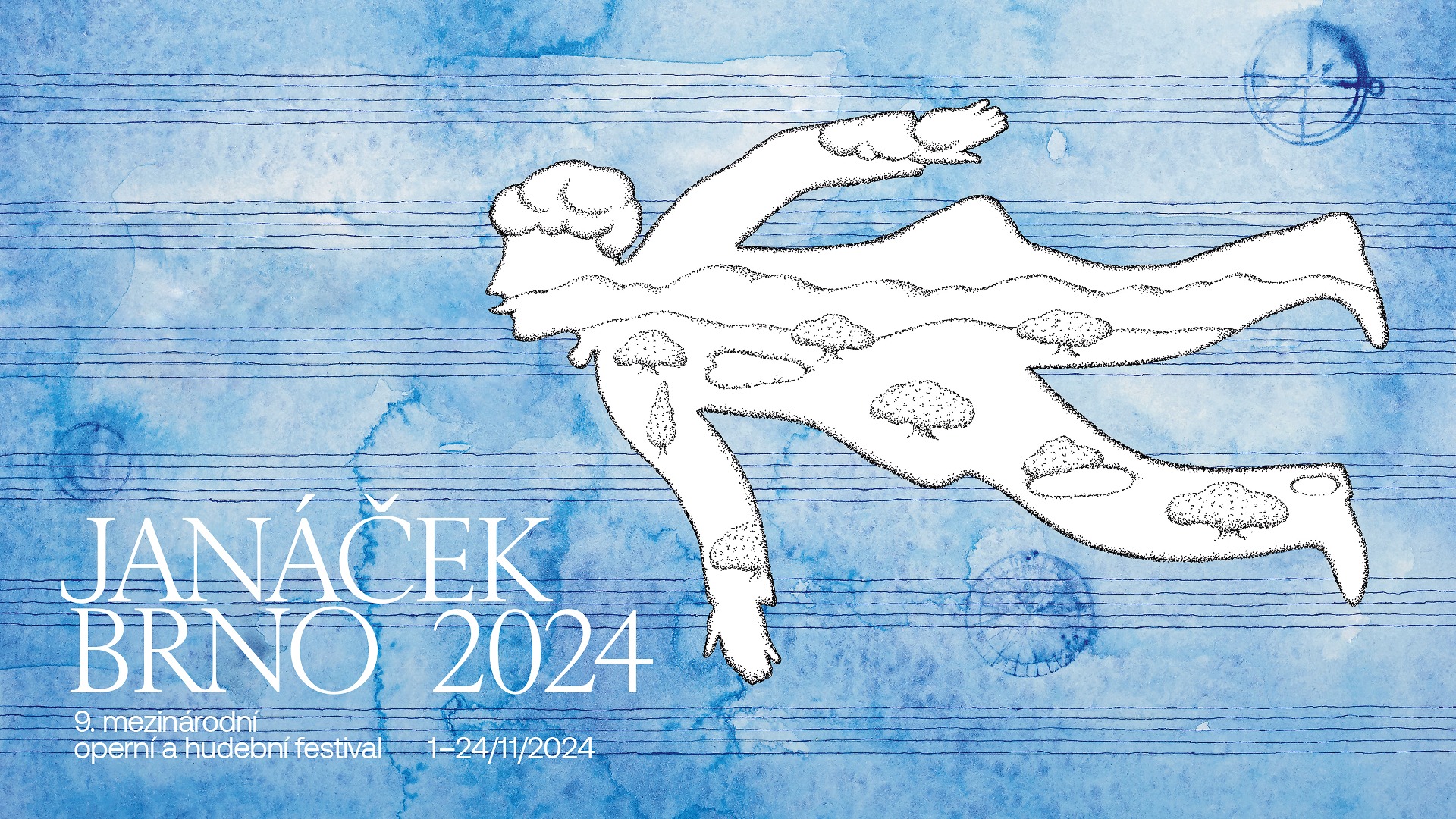
Festival Janáček Brno 2024
Event by: Český filharmonický sbor Brno - Czech Philharmonic Choir Brno
Location: The National Theatre Brno - Janáček Theatre, Rooseveltova 31, Brno-střed
Tickets: Get tickets
Concerts
About event
Josef Suk: Ripening, op. 34
Antonín Dvořák: Concerto for piano and orchestra in G minor, Op. 33, B63
Leoš Janáček: Taras Bulba, VI/15
Daniil Trifonov piano
Czech Philharmonic Choir Brno
Petr Fiala choirmaster
Bamberger Symphoniker
Jakub Hrůša conductor
The concert is broadcast live by Czech Television
____________________
br/>The year is 1924 and the "Year of Czech Music" was also celebrated in Brno for the first time. The year-long festival of music was introduced by a festive concert dedicated to Leoš Janáček's 70th birthday and Josef Suk's 50th birthday. It was supposed to be a big surprise for Janáček, the orchestra of the Brno National Theater was supplemented by conservatory students and members of the German Theater. It should have been a real tribute to both creators. Janáčk's Taras Bulba and Suk's Zrání were on the program of the January morning Sunday concert. But everything turned out somehow "after Brno". The town theater was festively decorated, including the Master's box, but Janáček did not arrive. Only after the concert did it become clear that conductor František Neumann had forgotten to invite him. Meanwhile, Janáček wanted to buy tickets, but they were already sold out, so he went for a walk instead. He then jokingly described it in a letter to his friend Kamila Stösslová: "That was a 'shvanda' for you in Brno." They were doing a kind of celebration of me and the composer Suk. I didn't even get to buy tickets - so I didn't go there. They called, called out - and I was somewhere behind Brno in the snowy fields!"
The orchestral rhapsody Taras Bulba is based on the novella of the same name by Nikolai Vasilievich Gogol, which Janáček recognized in the Russian original at a joint reading of the Brno Russian Circle as early as 1905 But he did not depict the story of the Ukrainian Cossack until the beginning of the First World War, in the first half of 1915. However, the authoritarian police rampage against everything Russian led the composer to interrupt his work. He returned to it only in the spring of 1918, when he completed the composition as a "Slavic Rhapsody". The premiere of this unusual composition did not take place until 1921, when František Neumann performed it with the Brno Theater Orchestra.
It is surprising that the Concerto for Piano and Orchestra in G minor by Antonín Dvořák (1841–1904) is not on performed more often on concert stages, as it is a very impressive work. Dvořák composed it shortly after he met the young Leoš Janáček, i.e. in 1876, but its present form dates back to 1883, when the composer made an extensive revision. The concert deviates somewhat from the Chopin-Liszt tradition of the time, i.e. alternating areas of a virtuoso-conceived solo part and a dominant orchestra. Dvořák replaced these contrasts with a unified musical flow of symphonic composition.
Josef Suk (1874–1935) composed his monumental symphonic poem Zrání almost in the same period as Janáček of his Taras Bulba, in the years 1912–1917. The poem of the same name by Antonín Sova became Suk's inspiration for this composition. The poet's confession was close to the composer, he too had a need to communicate his feelings and experiences through music, from the tragic, as we also know them from his symphony Asrael, to hope and joy in life and creation. Due to Suk's workload, especially in the Czech Quartet, the composition took a long time, so the premiere did not take place until October 30, 1918, i.e. two days after the declaration of Czechoslovakia. Zrání was performed for the first time with the Czech Philharmonic by Václav Talich, and the reception was very warm, although some listeners and critics were somewhat taken aback by the complexly conceived score. Today we understand this magnificent symphonic poem as a jewel of the symphonic work of this period.
Jiří Zahrádka
Antonín Dvořák: Concerto for piano and orchestra in G minor, Op. 33, B63
Leoš Janáček: Taras Bulba, VI/15
Daniil Trifonov piano
Czech Philharmonic Choir Brno
Petr Fiala choirmaster
Bamberger Symphoniker
Jakub Hrůša conductor
The concert is broadcast live by Czech Television
____________________
br/>The year is 1924 and the "Year of Czech Music" was also celebrated in Brno for the first time. The year-long festival of music was introduced by a festive concert dedicated to Leoš Janáček's 70th birthday and Josef Suk's 50th birthday. It was supposed to be a big surprise for Janáček, the orchestra of the Brno National Theater was supplemented by conservatory students and members of the German Theater. It should have been a real tribute to both creators. Janáčk's Taras Bulba and Suk's Zrání were on the program of the January morning Sunday concert. But everything turned out somehow "after Brno". The town theater was festively decorated, including the Master's box, but Janáček did not arrive. Only after the concert did it become clear that conductor František Neumann had forgotten to invite him. Meanwhile, Janáček wanted to buy tickets, but they were already sold out, so he went for a walk instead. He then jokingly described it in a letter to his friend Kamila Stösslová: "That was a 'shvanda' for you in Brno." They were doing a kind of celebration of me and the composer Suk. I didn't even get to buy tickets - so I didn't go there. They called, called out - and I was somewhere behind Brno in the snowy fields!"
The orchestral rhapsody Taras Bulba is based on the novella of the same name by Nikolai Vasilievich Gogol, which Janáček recognized in the Russian original at a joint reading of the Brno Russian Circle as early as 1905 But he did not depict the story of the Ukrainian Cossack until the beginning of the First World War, in the first half of 1915. However, the authoritarian police rampage against everything Russian led the composer to interrupt his work. He returned to it only in the spring of 1918, when he completed the composition as a "Slavic Rhapsody". The premiere of this unusual composition did not take place until 1921, when František Neumann performed it with the Brno Theater Orchestra.
It is surprising that the Concerto for Piano and Orchestra in G minor by Antonín Dvořák (1841–1904) is not on performed more often on concert stages, as it is a very impressive work. Dvořák composed it shortly after he met the young Leoš Janáček, i.e. in 1876, but its present form dates back to 1883, when the composer made an extensive revision. The concert deviates somewhat from the Chopin-Liszt tradition of the time, i.e. alternating areas of a virtuoso-conceived solo part and a dominant orchestra. Dvořák replaced these contrasts with a unified musical flow of symphonic composition.
Josef Suk (1874–1935) composed his monumental symphonic poem Zrání almost in the same period as Janáček of his Taras Bulba, in the years 1912–1917. The poem of the same name by Antonín Sova became Suk's inspiration for this composition. The poet's confession was close to the composer, he too had a need to communicate his feelings and experiences through music, from the tragic, as we also know them from his symphony Asrael, to hope and joy in life and creation. Due to Suk's workload, especially in the Czech Quartet, the composition took a long time, so the premiere did not take place until October 30, 1918, i.e. two days after the declaration of Czechoslovakia. Zrání was performed for the first time with the Czech Philharmonic by Václav Talich, and the reception was very warm, although some listeners and critics were somewhat taken aback by the complexly conceived score. Today we understand this magnificent symphonic poem as a jewel of the symphonic work of this period.
Jiří Zahrádka