This event has been ended!
International Conference /Škola uměleckých řemesel v Brně /The School of Arts and Crafts (1924–2024)
International Conference / School of Arts and Crafts in Brno / The School of Arts and Crafts (1924–2024)
Event by: Vysoká škola uměleckoprůmyslová v Praze, Dům umění města Brna, SSUD Brno, Husova 10 / Francouzská 101
Location: House of the Arts Brno, Malinovského náměstí 2, Brno-střed
Talks & discussions, Exhibitions
About event
English version below
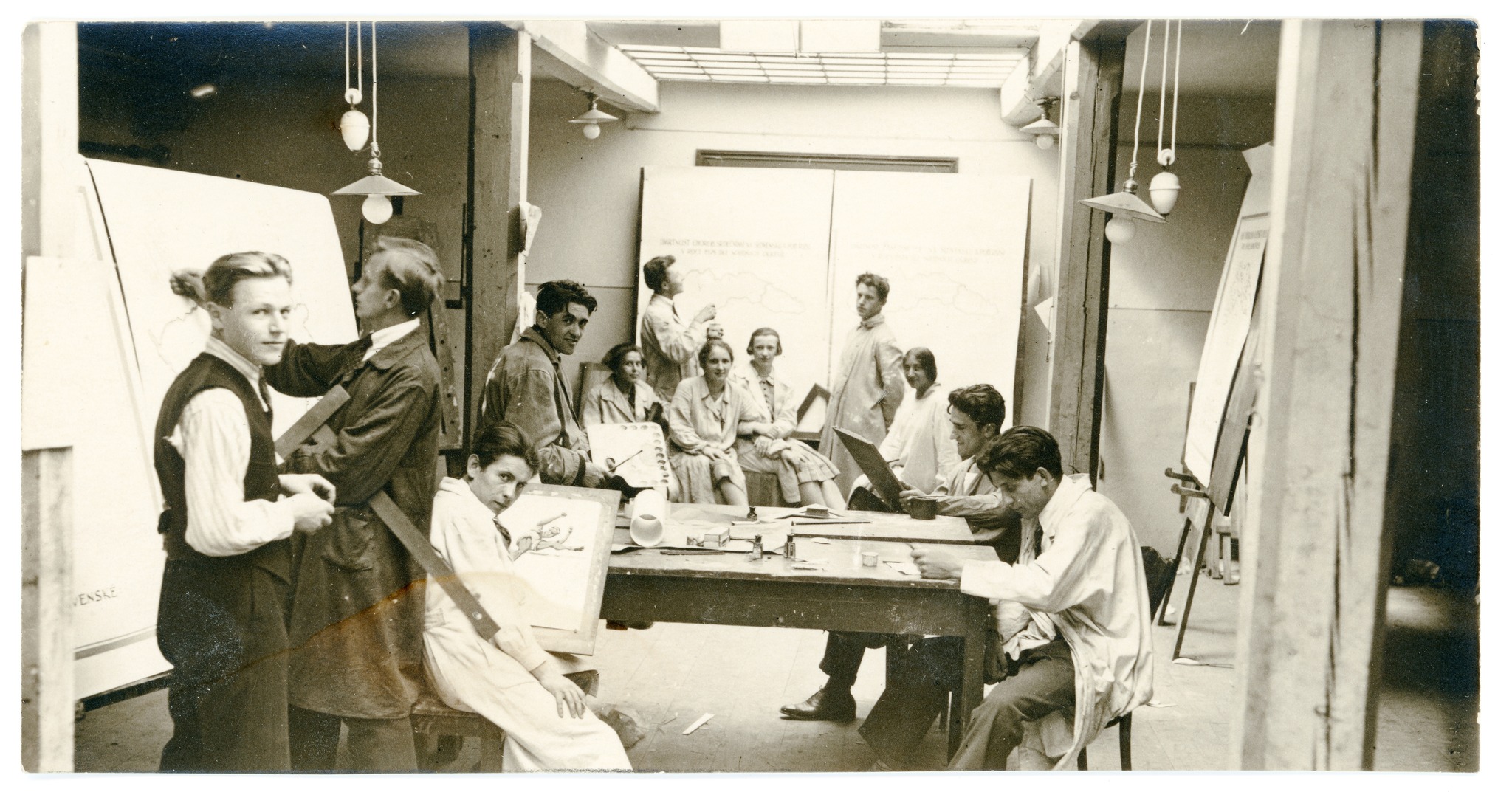
Škola uměleckých řemesel (zkráceně ŠUŘ), která byla založena Obchodní a živnostenskou komorou v Brně v roce 1924, měla reprezentovat specifickou moderní alternativu vůči většinou německojazyčným školským institucím podobného typu, které na Moravě existovaly od konce 19. století, ale také vůči pražské UMPRUM a oborově analogickým školám v Rakousku a Německu. Pedagogický sbor, který na brněnské škole v kontextu první republiky, ale i v protektorátních čtyřicátých letech působil, se cíleně zaměřoval na kultivaci moderní lokální kulturní identity a produkce, která by byla svorníkem mezi internacionální modernitou a moravskými regionálními tradicemi.
Někdejší ŠUŘ dnes oficiálně používá název Střední škola umění a designu, součástí je i Vyšší odborná škola Brno.
Mezinárodní konference, která se bude konat ve dnech 7. a 8. listopadu, bude zahrnovat během prvního dne dvanáct příspěvků od českých badatelů a badatelek a jednu performanci. Program se zaměří na vybrané tematické sondy z dějin Školy uměleckých řemesel. Druhý den bude věnován šesti příspěvkům zahraničních kolegů a kolegyň a následně proběhne debatní kulatý stůl. Program druhého dne tak přinese informace o evropském kontextu uměleckého školství ve 20. století a o aktuálním stavu a vizích Střední školy umění a designu v otevřené diskusi o tendencích a smyslu uměleckoprůmyslového vzdělávání dneška.
Během konference budou prezentovány zejména výsledky dva roky trvajícího uměleckohistorického výzkumu týmu Vysoké školy uměleckoprůmyslové v Praze a dalších přizvaných odborníků na dané téma. Formou dílčích detailních odboček bude možné na pozadí historických kontextů otvírat menší tematické sondy, které plastičtěji dokreslí komplexní obraz instituce. Tyto sondy se vedle vytknutí pozitiv a inovativních postupů mnohdy nebudou vyhýbat kritickým, kontroverzním okolnostem; budou sledovat i partikulární momenty z dějin umění a výtvarného vzdělávání, které se odehrávaly mimo zavedené kanonické jistoty. Badatelský projekt bude realizován na podzim roku 2025 formou rozsáhlé výstavy s odborným katalogem (Dům umění města Brna). Chystaná výstava bude zahájena 21. října 2025.
Podrobnější informace o jednotlivých příspěvcích najdete na https://www.dum-umeni.cz/v-kontextech-umeleckoprumysloveho-vzdelavani-politiky-kultury-a-prumyslu/t9707
PROGRAM KONFERENCE
ČTVRTEK 7. LISTOPADU
I. přednáškový blok – Dějiny ŠUŘ, pedagogické, kulturní a politické kontexty (moderují Lada Hubatová-Vacková, Terezie Petišková)
9:45
Úvod ke konferenci – Lada Hubatová-Vacková, autorka koncepce konference a vedoucí projektu Místa tvořivosti, NAKI III
10:00
Tomáš Zapletal: Před založením ŠUŘ
10:25
Kateřina Kuthanová: Počátky ženského průmyslového vzdělávání v Brně, spolky jako platforma odborného vzdělávání
10:50
Lada Hubatová-Vacková: Meziválečná ŠUŘ, ideové pozice mezi pravicí a levicí a „policejní aféra“ v roce 1933
11:10 - 11:30
Pauza, občerstvení
11:30
Marta Sylvestrová: Zdeněk Rossmann a ŠUŘ v letech 1939–1943.
11:55
Valéria Kršiaková: ŠUŘ a výuka ľudových umení v čase protektorátu Čechy a Morava (1939–1945)
12:20
Iva Knobloch: Válečná spolupráce ŠUŘ a Svazu českého díla
12:40 - 13:30
Pauza, občerstvení
13:30
Lada Hubatová-Vacková: AJDIVADLO, učitel Karel Langer a ŠUP. Školní projekt mezi experimentální kočovnou scénou a komunistickou agitkou
13:55
Andrea Březinová: Inez Tuschnerová mezi „Šuřkou“ a „textilkou“ a její scénické a textilní práce
14:20
„Terezie Petišková: „Oko je špión, na kterého se nelze zlobit.“ Výuka Dalibora Chatrného na ŠUŘ v letech 1962–1986
14:40 - 15:00
Pauza, občerstvení
15:00
Veronika Rollová, Johana Lomová: Umělec a/nebo pedagog? Postupná proměna statusu učitele a školy (od konce války do osmdesátých let)
15:25
Markéta Peringerová: Škola výtvarného myšlení. Pedagogické experimenty s metodami Bauhausu a akčního umění v komunistickém Československu
15:50
Vojtěch Märc: Socializace uměním? K brněnské škole vztahové estetiky
16:15
Mysteria Contagion
Performance Blahoslava Rozbořila a Josefa Daňka založená na imaginativní reflexi abiturientské zkušenosti. Protagonisté slibují poodhalit tajemství uměleckoprůmyslového vzdělávání (včetně kosmologických souvislostí). Textová koláž bude doplněna ukázkami práce s nejnovějšími didaktickými pomůckami.
Po skončení konference – feSTOval v Káznici – vernisáž
Výstava studentské tvorby a jejích mezioborových přesahů přiblíží současnou uměleckou činnost školy. Trvání 7. 11. – 10. 11. 2024, Bratislavská 249/68, 602 00 Brno-střed-Zábrdovice. Výstavu připravila Střední škola umění a designu v Brně.
PÁTEK 8. LISTOPADU
II. přednáškový blok – Uměleckoprůmyslové školství, mezinárodní kontexty (moderují Johana Lomová, Veronika Rollová)
10:00
Rainald Franz: Moravští a čeští studenti Josefa Hoffmanna na vídeňské Kunstgewerbeschule a jeho přístup k výukovým metodám v oblasti umění a řemesel v první polovině 20. století
10:25
Alexandra Panzert: Reforma jako princip. Středoevropské školy umění a řemesel v prvních desetiletích 20. století
10:50
Klára Prešnajderová: Koncept ŠUR a UŠ v Bratislave – s cieľom „vychovať ľudové talenty na produktívnych jednotlivcov svetovej úrovne“
11:10 - 11:30
Pauza, občerstvení
11:30
Wolfgang Thöner: Komunismus a Bauhaus. Paradoxy mezi politikou a designem
11:55
Megan Brandow-Faller: Umělecké vzdělávání žen v secesní a meziválečné Vídni
12:20
Hans Stefan Moritsch, Julia Pintsuk-Christof: Jak se stát produkujícím designérem – výuka designu pro přechod z univerzity do výrobního procesu
12:40 - 13:00
Pauza, občerstvení
III. Diskusní blok – Současná Šuřka? (moderuje Vojtěch Märc)
13:00
„Kulatý stůl“ věnovaný debatě o současné podobě, problémech a výzvách uměleckoprůmyslového školství. Debatují pedagogové a absolventi Střední školy umění a designu v Brně.
Účastníci diskuse:
Martin Vybíral, současný pedagog SŠUD, obor fotografie
Filip Dufka, současný pedagog SŠUD, obor game art
David Hloušek, nedávný absolvent SŠUD, obor grafický design
Kateřina Šedá, umělkyně, absolventka SŠUD, obor ilustrace
Julie Kačerovská, vedoucí oboru knižní design na FU v Ostravě, absolventka SŠUD, obor ilustrace
Průběh konference bude možné sledovat na YouTube Domu umění. Na místě i v online přenosu bude zajištěno simultánní tlumočení angličtina–čeština.
Poděkování:
Národní plán obnovy, Ministerstvo kultury ČR
Programu na podporu aplikovaného výzkumu v oblasti národní a kulturní identity (NAKI III) Ministerstva kultury ČR v rámci projektu Místa tvořivosti. Uměleckoprůmyslové vzdělávání: konstrukce identit, záchrana minulosti a design budoucnosti (DH23P03OVV061)
Pořadatel:
Spolek přátel Domu umění města Brna
Za podpory:
statutární město Brno, Ministerstvo kultury ČR, Národní plán obnovy, Evropská unie
UMPRUM, SSUD Brno
Příjemcem grantu NAKI III je Vysoká škola uměleckoprůmyslová v Praze, mistatvorivosti.umprum.cz.
Výzkum prezentovaný na této konferenci byl částečně financován z prostředků Programu na podporu aplikovaného výzkumu v oblasti národní a kulturní identity (NAKI III) Ministerstva kultury ČR v rámci projektu Místa tvořivosti. Uměleckoprůmyslové vzdělávání: konstrukce identit, záchrana minulosti a design budoucnosti (DH23P03OVV061).
------------------------------------------------
The School of Arts and Crafts (Škola uměleckých řemesel, abbreviated ŠUŘ), founded by the Brno Chamber of Commerce and Entrepreneurship in 1924, was intended to represent a specific modern alternative to the primarily German-language educational institutions of its type present in Moravia since the end of the 19th century, yet also to Prague’s Academy of Applied Arts (UMPRUM) and professionally analogous schools in Austria and Germany. Its teaching staff, active both in the setting of the First Czechoslovak Republic and the German occupation of the early 1940s, deliberately focused on the cultivation of a modern local cultural identity and artistic production that would form the linchpin between international modernity and Moravian regional traditions.
Today, the designation of ŠUŘ remains in use only informally; the official title is the Secondary School of Art and Design (Střední škola umění a designu), and includes as well a higher professional school of the same orientation (Vyšší odborná škola Brno).
The internation conference, to be held on November 7 and 8, will present during the first day twelve contributions by Czech researchers and one performance. The program of the first day will involve selected thematic investigations of the history of the School of Arts and Crafts. The second day will be devoted to six contributions from international researchers, followed by a roundtable discussion. As such, the program of the second day provides information about the Europe-wide context of artistic training in the 20th century, and the current state and future visions of the Secondary School of Art and Design in open discussion about the tendencies and purposes of applied-arts training today.
During the conference, one noteworthy contribution will be the presentation of the outcome of a two-year-long art-historical research project by a team from the Academy of Arts, Architecture and Design (UMPRUM) in Prague along with other invited experts on the topic. Using partial, microhistorical diversions, it thus becomes possible to open against the backdrop of historical contexts various smaller investigations to provide a more complex, three-dimensional image of the institution. In parallel with conveying the positive aspects and innovative methods, these “soundings” will in many cases equally bring up many critical or controversial circumstances, tracing many individual moments in art history and artistic education that emerged from outside the certainties of the established canon. This research project will culminate in the autumn of 2025 with an extensive exhibition accompanied by a scholarly catalogue, to be held at the House of Arts. The planned exhibition will open on October 21, 2025.
More info at https://www.dum-umeni.cz/en/within-the-contexts-of-art-education-politics-culture-and-industry/t9707
CONFERENCE PROGRAM
THURSDAY, NOVEMBER 7
Lecture Series I – The History of the ŠUŘ, Its Pedagogic, Cultural, and Political Contexts (moderators Lada Hubatová-Vacková, Terezie Petišková)
9:45
Opening Address – Lada Hubatová-Vacková, author of the conference conception and project leader of Sites of Creativity, NAKI III
10:00
Tomáš Zapletal: Before the Founding of the ŠUŘ
10:25
Kateřina Kuthanová: The Start of Women’s Industrial Education in Brno: Associations as a Platform for Professional Education
10:50
Lada Hubatová-Vacková: The ŠUŘ in the Interwar Years, Ideological Positions between Right and Left, and the “Police Scandal” in 1933
11:10 - 11:30
Break, refreshments
11:30
Marta Sylvestrová: Zdeněk Rossmann and the ŠUŘ in the Period 1939–1943
11:55
Valéria Kršiaková: The ŠUŘ and the Teaching of Folk Arts in the Protectorate of Bohemia and Moravia (1939–1945)
12:20
Iva Knobloch: The Wartime Cooperation of the ŠUŘ and the Czech Werkbund
12:40 - 13:30
Break, refreshments
13:30
Lada Hubatová-Vacková: AJDIVADLO, the Teacher Karel Langer and the ŠUP. A School Project between an Experimental Travelling Theatre and Communist Agitprop
13:55
Andrea Březinová: Inez Tuschnerová between the “Šuřka” and the “Textilka” and Her Stage and Textile Oeuvre
14:20
Terezie Petišková: “The Eye’s a Spy, and You Can’t Get Angry at It”. Dalibor Chatrný as an Instructor at the ŠUŘ in 1962–1986
12:40 - 13:30
Break, refreshments
15:00
Veronika Rollová, Johana Lomová: Artist and/or Pedagogue? The Gradual Change in the Status of Teachers and Schools (from the end of the war to the 1980s)
15:25
Markéta Peringerová: The School of Artistic Thinking. Pedagogic Experiments with the Methods of the Bauhaus and Action Art in Communist Czechoslovakia
15:50
Vojtěch Märc: Socialization through Art? On the Brno School of Relational Aesthetics
16:15
Mysteria Contagion
This performance by Blahoslav Rozbořil and Josef Daněk is based on an imaginative reflection of their experiences during the graduation exam. Its protagonists promise to unveil the secrets of arts-and-crafts education (including its cosmological dimensions). This text collages will be supplemented with examples of work using the latest didactic aids.
After the end of the first day – feSTOval in the Káznice – opening. This exhibition of student work and its interdisciplinary scope presents the latest artistic production of the school. Open from November 7 – 10, 2024, at Bratislavská 249/68, 602 00 Brno-střed-Zábrdovice. Exhibition prepared by the Secondary School of Art and Design in Brno.
FRIDAY, NOVEMBER 8
Lecture Series II – Arts and Crafts Education, International Contexts (moderators Johana Lomová, Veronika Rollová)
10:00
Rainald Franz: Josef Hoffmann’s Students from Moravia and Bohemia at Vienna’s Kunstgewerbeschule and His Approach to Pedagogical Methods in Arts and Crafts Education in the First Half of the Twentieth Century
10:25
Alexandra Panzert: Reform as a Principle. Central European Schools of Arts and Crafts in the First Decades of the 20th Century
10:50
Klára Prešnajderová: The Conception of the ŠUR and the UŠ in Bratislava – The Goal of “Training Folk Talents into Productive Individuals on a World Level”
11:10 - 11:30
Break, refreshmentd
11:30
Wolfgang Thöner: Communism and the Bauhaus. Paradoxes between Politics and Design
11:55
Megan Brandow-Faller: Women’s Art Education within Secessionist and Interwar Vienna
12:20
Hans Stefan Moritsch, Julia Pintsuk-Christof: Becoming a Producing Designer – Design Education at the Transition from University to Craft
12:40 - 13:00
Break, refreshments
III. Discussion Section – Šuřka Today? (moderator Vojtěch Märc)
13:00
A roundtable debate addressing the current form, problems, and challenges of arts-and-crafts schooling. Discussants are pedagogues and graduates of the Secondary School of Art and Design in Brno (SŠUD).
Discussion participants:
Martin Vybíral, current SŠUD instructor, photography
Filip Dufka, current SŠUD instructor, game art
David Hloušek, recent graduate of SŠUD, graphic design
Kateřina Šedá, artist, graduate of SŠUD, illustration
Julie Kačerovská, head of the book design program at the Faculty of Art in Ostrava, graduate of SŠUD, illustration
The conference may be followed online at YouTube. The organizers will provide simultaneous interpreting between Czech and English.
Acknowledgements:
National Renewal Plan, Czech Ministry of Culture
Program for the Applied Research of National and Cultural Identity (NAKI III). It is one of the outcomes of the project Sites of creativity. Arts and crafts education: constructing identities, saving the heritage of the past, designing the future (DH23P03OVV061).
Organised by:
The Society of Friends of the House of Arts Brno
Supported by:
The Statutory City of Brno, Czech Ministry of Culture, Národní plán obnovy, European Union
UMPRUM, ŠUŘ
The research presented at this conference was partly funded thanks to the financial support from the Ministry of Culture of the Czech Republic as part of the Program for the Applied Research of National and Cultural Identity (NAKI III). It is one of the outcomes of the project Sites of Creativity. Arts and Crafts Education: Constructing Identities, Saving the Heritage of the Past, Designing the Future (DH23P03OVV061).
The recipient of the NAKI III grant is the Academy of Arts, Architecture and Design in Prague, mistatvorivosti.umprum.cz.
Škola uměleckých řemesel (zkráceně ŠUŘ), která byla založena Obchodní a živnostenskou komorou v Brně v roce 1924, měla reprezentovat specifickou moderní alternativu vůči většinou německojazyčným školským institucím podobného typu, které na Moravě existovaly od konce 19. století, ale také vůči pražské UMPRUM a oborově analogickým školám v Rakousku a Německu. Pedagogický sbor, který na brněnské škole v kontextu první republiky, ale i v protektorátních čtyřicátých letech působil, se cíleně zaměřoval na kultivaci moderní lokální kulturní identity a produkce, která by byla svorníkem mezi internacionální modernitou a moravskými regionálními tradicemi.
Někdejší ŠUŘ dnes oficiálně používá název Střední škola umění a designu, součástí je i Vyšší odborná škola Brno.
Mezinárodní konference, která se bude konat ve dnech 7. a 8. listopadu, bude zahrnovat během prvního dne dvanáct příspěvků od českých badatelů a badatelek a jednu performanci. Program se zaměří na vybrané tematické sondy z dějin Školy uměleckých řemesel. Druhý den bude věnován šesti příspěvkům zahraničních kolegů a kolegyň a následně proběhne debatní kulatý stůl. Program druhého dne tak přinese informace o evropském kontextu uměleckého školství ve 20. století a o aktuálním stavu a vizích Střední školy umění a designu v otevřené diskusi o tendencích a smyslu uměleckoprůmyslového vzdělávání dneška.
Během konference budou prezentovány zejména výsledky dva roky trvajícího uměleckohistorického výzkumu týmu Vysoké školy uměleckoprůmyslové v Praze a dalších přizvaných odborníků na dané téma. Formou dílčích detailních odboček bude možné na pozadí historických kontextů otvírat menší tematické sondy, které plastičtěji dokreslí komplexní obraz instituce. Tyto sondy se vedle vytknutí pozitiv a inovativních postupů mnohdy nebudou vyhýbat kritickým, kontroverzním okolnostem; budou sledovat i partikulární momenty z dějin umění a výtvarného vzdělávání, které se odehrávaly mimo zavedené kanonické jistoty. Badatelský projekt bude realizován na podzim roku 2025 formou rozsáhlé výstavy s odborným katalogem (Dům umění města Brna). Chystaná výstava bude zahájena 21. října 2025.
Podrobnější informace o jednotlivých příspěvcích najdete na https://www.dum-umeni.cz/v-kontextech-umeleckoprumysloveho-vzdelavani-politiky-kultury-a-prumyslu/t9707
PROGRAM KONFERENCE
ČTVRTEK 7. LISTOPADU
I. přednáškový blok – Dějiny ŠUŘ, pedagogické, kulturní a politické kontexty (moderují Lada Hubatová-Vacková, Terezie Petišková)
9:45
Úvod ke konferenci – Lada Hubatová-Vacková, autorka koncepce konference a vedoucí projektu Místa tvořivosti, NAKI III
10:00
Tomáš Zapletal: Před založením ŠUŘ
10:25
Kateřina Kuthanová: Počátky ženského průmyslového vzdělávání v Brně, spolky jako platforma odborného vzdělávání
10:50
Lada Hubatová-Vacková: Meziválečná ŠUŘ, ideové pozice mezi pravicí a levicí a „policejní aféra“ v roce 1933
11:10 - 11:30
Pauza, občerstvení
11:30
Marta Sylvestrová: Zdeněk Rossmann a ŠUŘ v letech 1939–1943.
11:55
Valéria Kršiaková: ŠUŘ a výuka ľudových umení v čase protektorátu Čechy a Morava (1939–1945)
12:20
Iva Knobloch: Válečná spolupráce ŠUŘ a Svazu českého díla
12:40 - 13:30
Pauza, občerstvení
13:30
Lada Hubatová-Vacková: AJDIVADLO, učitel Karel Langer a ŠUP. Školní projekt mezi experimentální kočovnou scénou a komunistickou agitkou
13:55
Andrea Březinová: Inez Tuschnerová mezi „Šuřkou“ a „textilkou“ a její scénické a textilní práce
14:20
„Terezie Petišková: „Oko je špión, na kterého se nelze zlobit.“ Výuka Dalibora Chatrného na ŠUŘ v letech 1962–1986
14:40 - 15:00
Pauza, občerstvení
15:00
Veronika Rollová, Johana Lomová: Umělec a/nebo pedagog? Postupná proměna statusu učitele a školy (od konce války do osmdesátých let)
15:25
Markéta Peringerová: Škola výtvarného myšlení. Pedagogické experimenty s metodami Bauhausu a akčního umění v komunistickém Československu
15:50
Vojtěch Märc: Socializace uměním? K brněnské škole vztahové estetiky
16:15
Mysteria Contagion
Performance Blahoslava Rozbořila a Josefa Daňka založená na imaginativní reflexi abiturientské zkušenosti. Protagonisté slibují poodhalit tajemství uměleckoprůmyslového vzdělávání (včetně kosmologických souvislostí). Textová koláž bude doplněna ukázkami práce s nejnovějšími didaktickými pomůckami.
Po skončení konference – feSTOval v Káznici – vernisáž
Výstava studentské tvorby a jejích mezioborových přesahů přiblíží současnou uměleckou činnost školy. Trvání 7. 11. – 10. 11. 2024, Bratislavská 249/68, 602 00 Brno-střed-Zábrdovice. Výstavu připravila Střední škola umění a designu v Brně.
PÁTEK 8. LISTOPADU
II. přednáškový blok – Uměleckoprůmyslové školství, mezinárodní kontexty (moderují Johana Lomová, Veronika Rollová)
10:00
Rainald Franz: Moravští a čeští studenti Josefa Hoffmanna na vídeňské Kunstgewerbeschule a jeho přístup k výukovým metodám v oblasti umění a řemesel v první polovině 20. století
10:25
Alexandra Panzert: Reforma jako princip. Středoevropské školy umění a řemesel v prvních desetiletích 20. století
10:50
Klára Prešnajderová: Koncept ŠUR a UŠ v Bratislave – s cieľom „vychovať ľudové talenty na produktívnych jednotlivcov svetovej úrovne“
11:10 - 11:30
Pauza, občerstvení
11:30
Wolfgang Thöner: Komunismus a Bauhaus. Paradoxy mezi politikou a designem
11:55
Megan Brandow-Faller: Umělecké vzdělávání žen v secesní a meziválečné Vídni
12:20
Hans Stefan Moritsch, Julia Pintsuk-Christof: Jak se stát produkujícím designérem – výuka designu pro přechod z univerzity do výrobního procesu
12:40 - 13:00
Pauza, občerstvení
III. Diskusní blok – Současná Šuřka? (moderuje Vojtěch Märc)
13:00
„Kulatý stůl“ věnovaný debatě o současné podobě, problémech a výzvách uměleckoprůmyslového školství. Debatují pedagogové a absolventi Střední školy umění a designu v Brně.
Účastníci diskuse:
Martin Vybíral, současný pedagog SŠUD, obor fotografie
Filip Dufka, současný pedagog SŠUD, obor game art
David Hloušek, nedávný absolvent SŠUD, obor grafický design
Kateřina Šedá, umělkyně, absolventka SŠUD, obor ilustrace
Julie Kačerovská, vedoucí oboru knižní design na FU v Ostravě, absolventka SŠUD, obor ilustrace
Průběh konference bude možné sledovat na YouTube Domu umění. Na místě i v online přenosu bude zajištěno simultánní tlumočení angličtina–čeština.
Poděkování:
Národní plán obnovy, Ministerstvo kultury ČR
Programu na podporu aplikovaného výzkumu v oblasti národní a kulturní identity (NAKI III) Ministerstva kultury ČR v rámci projektu Místa tvořivosti. Uměleckoprůmyslové vzdělávání: konstrukce identit, záchrana minulosti a design budoucnosti (DH23P03OVV061)
Pořadatel:
Spolek přátel Domu umění města Brna
Za podpory:
statutární město Brno, Ministerstvo kultury ČR, Národní plán obnovy, Evropská unie
UMPRUM, SSUD Brno
Příjemcem grantu NAKI III je Vysoká škola uměleckoprůmyslová v Praze, mistatvorivosti.umprum.cz.
Výzkum prezentovaný na této konferenci byl částečně financován z prostředků Programu na podporu aplikovaného výzkumu v oblasti národní a kulturní identity (NAKI III) Ministerstva kultury ČR v rámci projektu Místa tvořivosti. Uměleckoprůmyslové vzdělávání: konstrukce identit, záchrana minulosti a design budoucnosti (DH23P03OVV061).
------------------------------------------------
The School of Arts and Crafts (Škola uměleckých řemesel, abbreviated ŠUŘ), founded by the Brno Chamber of Commerce and Entrepreneurship in 1924, was intended to represent a specific modern alternative to the primarily German-language educational institutions of its type present in Moravia since the end of the 19th century, yet also to Prague’s Academy of Applied Arts (UMPRUM) and professionally analogous schools in Austria and Germany. Its teaching staff, active both in the setting of the First Czechoslovak Republic and the German occupation of the early 1940s, deliberately focused on the cultivation of a modern local cultural identity and artistic production that would form the linchpin between international modernity and Moravian regional traditions.
Today, the designation of ŠUŘ remains in use only informally; the official title is the Secondary School of Art and Design (Střední škola umění a designu), and includes as well a higher professional school of the same orientation (Vyšší odborná škola Brno).
The internation conference, to be held on November 7 and 8, will present during the first day twelve contributions by Czech researchers and one performance. The program of the first day will involve selected thematic investigations of the history of the School of Arts and Crafts. The second day will be devoted to six contributions from international researchers, followed by a roundtable discussion. As such, the program of the second day provides information about the Europe-wide context of artistic training in the 20th century, and the current state and future visions of the Secondary School of Art and Design in open discussion about the tendencies and purposes of applied-arts training today.
During the conference, one noteworthy contribution will be the presentation of the outcome of a two-year-long art-historical research project by a team from the Academy of Arts, Architecture and Design (UMPRUM) in Prague along with other invited experts on the topic. Using partial, microhistorical diversions, it thus becomes possible to open against the backdrop of historical contexts various smaller investigations to provide a more complex, three-dimensional image of the institution. In parallel with conveying the positive aspects and innovative methods, these “soundings” will in many cases equally bring up many critical or controversial circumstances, tracing many individual moments in art history and artistic education that emerged from outside the certainties of the established canon. This research project will culminate in the autumn of 2025 with an extensive exhibition accompanied by a scholarly catalogue, to be held at the House of Arts. The planned exhibition will open on October 21, 2025.
More info at https://www.dum-umeni.cz/en/within-the-contexts-of-art-education-politics-culture-and-industry/t9707
CONFERENCE PROGRAM
THURSDAY, NOVEMBER 7
Lecture Series I – The History of the ŠUŘ, Its Pedagogic, Cultural, and Political Contexts (moderators Lada Hubatová-Vacková, Terezie Petišková)
9:45
Opening Address – Lada Hubatová-Vacková, author of the conference conception and project leader of Sites of Creativity, NAKI III
10:00
Tomáš Zapletal: Before the Founding of the ŠUŘ
10:25
Kateřina Kuthanová: The Start of Women’s Industrial Education in Brno: Associations as a Platform for Professional Education
10:50
Lada Hubatová-Vacková: The ŠUŘ in the Interwar Years, Ideological Positions between Right and Left, and the “Police Scandal” in 1933
11:10 - 11:30
Break, refreshments
11:30
Marta Sylvestrová: Zdeněk Rossmann and the ŠUŘ in the Period 1939–1943
11:55
Valéria Kršiaková: The ŠUŘ and the Teaching of Folk Arts in the Protectorate of Bohemia and Moravia (1939–1945)
12:20
Iva Knobloch: The Wartime Cooperation of the ŠUŘ and the Czech Werkbund
12:40 - 13:30
Break, refreshments
13:30
Lada Hubatová-Vacková: AJDIVADLO, the Teacher Karel Langer and the ŠUP. A School Project between an Experimental Travelling Theatre and Communist Agitprop
13:55
Andrea Březinová: Inez Tuschnerová between the “Šuřka” and the “Textilka” and Her Stage and Textile Oeuvre
14:20
Terezie Petišková: “The Eye’s a Spy, and You Can’t Get Angry at It”. Dalibor Chatrný as an Instructor at the ŠUŘ in 1962–1986
12:40 - 13:30
Break, refreshments
15:00
Veronika Rollová, Johana Lomová: Artist and/or Pedagogue? The Gradual Change in the Status of Teachers and Schools (from the end of the war to the 1980s)
15:25
Markéta Peringerová: The School of Artistic Thinking. Pedagogic Experiments with the Methods of the Bauhaus and Action Art in Communist Czechoslovakia
15:50
Vojtěch Märc: Socialization through Art? On the Brno School of Relational Aesthetics
16:15
Mysteria Contagion
This performance by Blahoslav Rozbořil and Josef Daněk is based on an imaginative reflection of their experiences during the graduation exam. Its protagonists promise to unveil the secrets of arts-and-crafts education (including its cosmological dimensions). This text collages will be supplemented with examples of work using the latest didactic aids.
After the end of the first day – feSTOval in the Káznice – opening. This exhibition of student work and its interdisciplinary scope presents the latest artistic production of the school. Open from November 7 – 10, 2024, at Bratislavská 249/68, 602 00 Brno-střed-Zábrdovice. Exhibition prepared by the Secondary School of Art and Design in Brno.
FRIDAY, NOVEMBER 8
Lecture Series II – Arts and Crafts Education, International Contexts (moderators Johana Lomová, Veronika Rollová)
10:00
Rainald Franz: Josef Hoffmann’s Students from Moravia and Bohemia at Vienna’s Kunstgewerbeschule and His Approach to Pedagogical Methods in Arts and Crafts Education in the First Half of the Twentieth Century
10:25
Alexandra Panzert: Reform as a Principle. Central European Schools of Arts and Crafts in the First Decades of the 20th Century
10:50
Klára Prešnajderová: The Conception of the ŠUR and the UŠ in Bratislava – The Goal of “Training Folk Talents into Productive Individuals on a World Level”
11:10 - 11:30
Break, refreshmentd
11:30
Wolfgang Thöner: Communism and the Bauhaus. Paradoxes between Politics and Design
11:55
Megan Brandow-Faller: Women’s Art Education within Secessionist and Interwar Vienna
12:20
Hans Stefan Moritsch, Julia Pintsuk-Christof: Becoming a Producing Designer – Design Education at the Transition from University to Craft
12:40 - 13:00
Break, refreshments
III. Discussion Section – Šuřka Today? (moderator Vojtěch Märc)
13:00
A roundtable debate addressing the current form, problems, and challenges of arts-and-crafts schooling. Discussants are pedagogues and graduates of the Secondary School of Art and Design in Brno (SŠUD).
Discussion participants:
Martin Vybíral, current SŠUD instructor, photography
Filip Dufka, current SŠUD instructor, game art
David Hloušek, recent graduate of SŠUD, graphic design
Kateřina Šedá, artist, graduate of SŠUD, illustration
Julie Kačerovská, head of the book design program at the Faculty of Art in Ostrava, graduate of SŠUD, illustration
The conference may be followed online at YouTube. The organizers will provide simultaneous interpreting between Czech and English.
Acknowledgements:
National Renewal Plan, Czech Ministry of Culture
Program for the Applied Research of National and Cultural Identity (NAKI III). It is one of the outcomes of the project Sites of creativity. Arts and crafts education: constructing identities, saving the heritage of the past, designing the future (DH23P03OVV061).
Organised by:
The Society of Friends of the House of Arts Brno
Supported by:
The Statutory City of Brno, Czech Ministry of Culture, Národní plán obnovy, European Union
UMPRUM, ŠUŘ
The research presented at this conference was partly funded thanks to the financial support from the Ministry of Culture of the Czech Republic as part of the Program for the Applied Research of National and Cultural Identity (NAKI III). It is one of the outcomes of the project Sites of Creativity. Arts and Crafts Education: Constructing Identities, Saving the Heritage of the Past, Designing the Future (DH23P03OVV061).
The recipient of the NAKI III grant is the Academy of Arts, Architecture and Design in Prague, mistatvorivosti.umprum.cz.