This event has been ended!
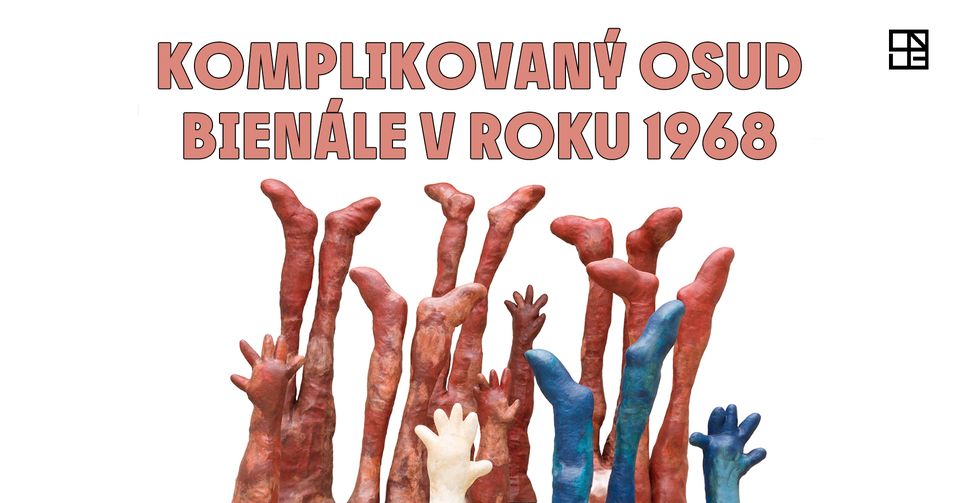
Komplikovaný osud bienále v roku 1968
The complicated fate of the Biennale in 1968
Event by: SNG Zvolenský zámok
Location: Zvolen Castle, Námestie SNP 1, Zvolen
Tickets: Get tickets
Discussions and lectures
About event
Commentary tour of the work Veľký pád with curator Vladimíra Büngerová
Thursday 5 December 2024│17.30
Using the example of the International Biennial of Young Artists Danuvius 1968, we will explain how politics in totalitarian regimes interfered with the freedom of art. The Bratislava Biennale in 1968 was prepared during political reforms, which brought relaxation and new ideas into society and culture - open and unencumbered by any borders. Commissioner General Ľubor Kára and his committee conceived the exhibition as a free and pluralistic display of contemporary art from the West and the East. Although it was created during the liberation, it was opened only after the arrival of the Warsaw Pact troops. What all this meant, what the fate of the biennale, the participating artists and other actors in normalization, we will get closer to through unique documents.
VLADIMÍRA BÜNGEROVÁ
curator of collections of modern and contemporary art
is a graduate of the history of art and culture of Trnava University in Trnava. Since 2007, he has been working in the Slovak National Gallery in Bratislava. In her work, she primarily researches the history of modern and contemporary sculpture in the former Czechoslovakia, and explores several topics: gender studies, institutional criticism, historical reconstruction and contemporary reflection of exhibitions and exhibition practice in the second half of the 20th century, the beginnings of modern art education in the interwar period and the development of modern ceramics, art in public space. She has been a member of the Slovak section of AICA since 2013.
You can buy tickets online at or at the Zvolen Castle box office.
Entrance fee: €3.50
Thursday 5 December 2024│17.30
Using the example of the International Biennial of Young Artists Danuvius 1968, we will explain how politics in totalitarian regimes interfered with the freedom of art. The Bratislava Biennale in 1968 was prepared during political reforms, which brought relaxation and new ideas into society and culture - open and unencumbered by any borders. Commissioner General Ľubor Kára and his committee conceived the exhibition as a free and pluralistic display of contemporary art from the West and the East. Although it was created during the liberation, it was opened only after the arrival of the Warsaw Pact troops. What all this meant, what the fate of the biennale, the participating artists and other actors in normalization, we will get closer to through unique documents.
VLADIMÍRA BÜNGEROVÁ
curator of collections of modern and contemporary art
is a graduate of the history of art and culture of Trnava University in Trnava. Since 2007, he has been working in the Slovak National Gallery in Bratislava. In her work, she primarily researches the history of modern and contemporary sculpture in the former Czechoslovakia, and explores several topics: gender studies, institutional criticism, historical reconstruction and contemporary reflection of exhibitions and exhibition practice in the second half of the 20th century, the beginnings of modern art education in the interwar period and the development of modern ceramics, art in public space. She has been a member of the Slovak section of AICA since 2013.
You can buy tickets online at or at the Zvolen Castle box office.
Entrance fee: €3.50