This event has been ended!
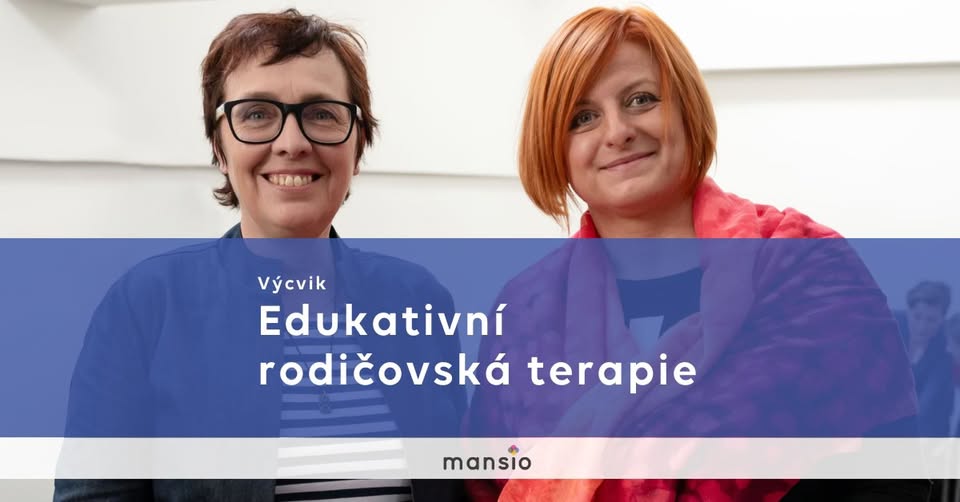
Kurz Mansio: Edukativní rodičovská terapie
MANSIO course: Educational parental therapy
Event by: Mansio adlerovská psychologie
Location: #kofibox Technologický Park, Technická, Brno-Královo Pole
Tickets: Get tickets
About event
Educational parental therapy
Some people will learn how to be good parents, already in their original family. Others learn as adults when they start looking for a way to be a parent - otherwise. We will tell you how the educational style of parents affects the lifestyle of children and what - often unintended consequences can have an educational style. You will learn how to accompany parents and carer through the process of changing their attitudes and beliefs and support them to change the educational approach. You will also get a methodology for understanding problem behavior of children, their goals and needs, which also offers ways that parents can react differently - instead of conflict and dissatisfaction to deepen cooperation and experience a sense of belonging. We will also offer you procedures and tools that parents affect, support them in their role, help them experience success and persevere on their way to change.
In addition to the theoretical basis, you will have self -experience, methodology of working with parents and case reports.
Topics:
Lifestyle as a unique formula of thinking, experience and action. The term expresses the principles of the wholeness of human personality and can be defined as basic beliefs, assumptions, values and expectations that an individual creates about himself, others and life. Lifestyle can thus be seen as a scheme that the individual is oriented and acts, forms a framework from which they throw away parental persuasions. Lifestyle develops on the basis of early social interactions and on the basis of subjective evaluation and decision -making. Factors involved in the formation of lifestyle: family structure, family atmosphere, family values, family education, role in the family, etc. The analysis of early memories is one of the ways that individual psychologists choose to determine lifestyle. The memory is like a screen, contains symbols, metaphors and carries significant lifestyle information. The early memory is a limited event, clear, often very clear even after years. He carries a report on how one perceives the world, people in him, himself, his possibilities. In educational parental therapy, work with a early memory has an irreplaceable place. It connects childhood experience with current experience and increases empathy for childhood experience and vision of the world.
Family constellation. In Adler's parental therapy, we focus on the place of a child in a family system, what a child has relationships with parents, grandparents, siblings and other family members, how the child perceives in relation to siblings, what are in the Alliance and Coalition family, how the child receives family values, etc. We will receive answers to these questions when we ask parents to describe each of their children. The way parents describe their children, reveal the influences of sibling order and ways of behavior of children who are important to parents. In the training we will learn to use a specific interview scheme.
Parental beliefs. The parents' belief stems from his own early experience. Many of our beliefs create tendencies in behavior that are ineffective. E.g. The belief that a parent is always right and knows everything better than a child can promote behavior that means that the child has no room to communicate their needs, or develop in areas that are unacceptable to parents. It is necessary to understand parental beliefs to change parental behavior and attitudes. We will introduce techniques to understand parental beliefs and support their transformation (eg the technique of remarkable findings). In Adler's approach, three "toxic" educational styles - excessive pressure, pampering and rejection are described. In training, we will learn how to identify the prevailing educational style in the family using the Frank Wallton Method 6 daily routines and to delete parents in the use of a democratic educational style.
Life tasks in the context of parenting and education. Individual psychology speaks of the need to prepare children to manage challenges and difficulties in adulthood. The aim of education is therefore to prepare children for the fulfillment of life tasks associated with the care of themselves and others, with the ability to get along with others and the ability to develop healthy intimacy. We will learn to work with the Education model, which focuses on the development of responsibility, cooperation and respect, competences essential for the healthy development of children.
problem behavior of children in the family. Four goals of problem behavior of children (need to attract attention, need to control, need to revenge and the need to avoid failure); methods of identifying the objective of the problem behavior of children (diagnostic-intervention conversation); Strategy of managing problem behavior of children (intervention, prevention, support).
Giving courage in the family. Support for the feeling of belonging in the family, the role of the parent in building the child's self -confidence and developing his inner motivation, parental attitudes and behavior deprived of courage; Principles of supplying courage, language of support.
You will learn:
to understand the needs of parents and children in the family.
Topics associated with parenting.
to deepen the view of the parent or carers on parental attitudes and the resulting quality of parental care. Children's problem behavior and teach them to respond in a way that offers children a more suitable alternative and teaches them how to fulfill a sense of belonging. based on a democratic educational style. The accredited name at the Ministry of Labor and Social Affairs of the Czech Republic is: educational parental therapy- tool for activating and remediation of family. PhDr. Miroslava Štěpánková, Ph.D., Mgr. Michaela Širůčková, Ph.D. 8. + Tue - ST: 9. - 10. 9. 2025 in Brno
Some people will learn how to be good parents, already in their original family. Others learn as adults when they start looking for a way to be a parent - otherwise. We will tell you how the educational style of parents affects the lifestyle of children and what - often unintended consequences can have an educational style. You will learn how to accompany parents and carer through the process of changing their attitudes and beliefs and support them to change the educational approach. You will also get a methodology for understanding problem behavior of children, their goals and needs, which also offers ways that parents can react differently - instead of conflict and dissatisfaction to deepen cooperation and experience a sense of belonging. We will also offer you procedures and tools that parents affect, support them in their role, help them experience success and persevere on their way to change.
In addition to the theoretical basis, you will have self -experience, methodology of working with parents and case reports.
Topics:
Lifestyle as a unique formula of thinking, experience and action. The term expresses the principles of the wholeness of human personality and can be defined as basic beliefs, assumptions, values and expectations that an individual creates about himself, others and life. Lifestyle can thus be seen as a scheme that the individual is oriented and acts, forms a framework from which they throw away parental persuasions. Lifestyle develops on the basis of early social interactions and on the basis of subjective evaluation and decision -making. Factors involved in the formation of lifestyle: family structure, family atmosphere, family values, family education, role in the family, etc. The analysis of early memories is one of the ways that individual psychologists choose to determine lifestyle. The memory is like a screen, contains symbols, metaphors and carries significant lifestyle information. The early memory is a limited event, clear, often very clear even after years. He carries a report on how one perceives the world, people in him, himself, his possibilities. In educational parental therapy, work with a early memory has an irreplaceable place. It connects childhood experience with current experience and increases empathy for childhood experience and vision of the world.
Family constellation. In Adler's parental therapy, we focus on the place of a child in a family system, what a child has relationships with parents, grandparents, siblings and other family members, how the child perceives in relation to siblings, what are in the Alliance and Coalition family, how the child receives family values, etc. We will receive answers to these questions when we ask parents to describe each of their children. The way parents describe their children, reveal the influences of sibling order and ways of behavior of children who are important to parents. In the training we will learn to use a specific interview scheme.
Parental beliefs. The parents' belief stems from his own early experience. Many of our beliefs create tendencies in behavior that are ineffective. E.g. The belief that a parent is always right and knows everything better than a child can promote behavior that means that the child has no room to communicate their needs, or develop in areas that are unacceptable to parents. It is necessary to understand parental beliefs to change parental behavior and attitudes. We will introduce techniques to understand parental beliefs and support their transformation (eg the technique of remarkable findings). In Adler's approach, three "toxic" educational styles - excessive pressure, pampering and rejection are described. In training, we will learn how to identify the prevailing educational style in the family using the Frank Wallton Method 6 daily routines and to delete parents in the use of a democratic educational style.
Life tasks in the context of parenting and education. Individual psychology speaks of the need to prepare children to manage challenges and difficulties in adulthood. The aim of education is therefore to prepare children for the fulfillment of life tasks associated with the care of themselves and others, with the ability to get along with others and the ability to develop healthy intimacy. We will learn to work with the Education model, which focuses on the development of responsibility, cooperation and respect, competences essential for the healthy development of children.
problem behavior of children in the family. Four goals of problem behavior of children (need to attract attention, need to control, need to revenge and the need to avoid failure); methods of identifying the objective of the problem behavior of children (diagnostic-intervention conversation); Strategy of managing problem behavior of children (intervention, prevention, support).
Giving courage in the family. Support for the feeling of belonging in the family, the role of the parent in building the child's self -confidence and developing his inner motivation, parental attitudes and behavior deprived of courage; Principles of supplying courage, language of support.
You will learn:
to understand the needs of parents and children in the family.
Topics associated with parenting.
to deepen the view of the parent or carers on parental attitudes and the resulting quality of parental care. Children's problem behavior and teach them to respond in a way that offers children a more suitable alternative and teaches them how to fulfill a sense of belonging. based on a democratic educational style. The accredited name at the Ministry of Labor and Social Affairs of the Czech Republic is: educational parental therapy- tool for activating and remediation of family. PhDr. Miroslava Štěpánková, Ph.D., Mgr. Michaela Širůčková, Ph.D. 8. + Tue - ST: 9. - 10. 9. 2025 in Brno