This event has been ended!
Oľga Gyárfášová v Artfore
Oľga Gyárfášová in Artfor
Event by: Kníhkupectvo Artforum Košice, ASPEKT
Location: Artforum books & coffee, Hlavná 87, Staré Mesto
Talks & discussions
About event
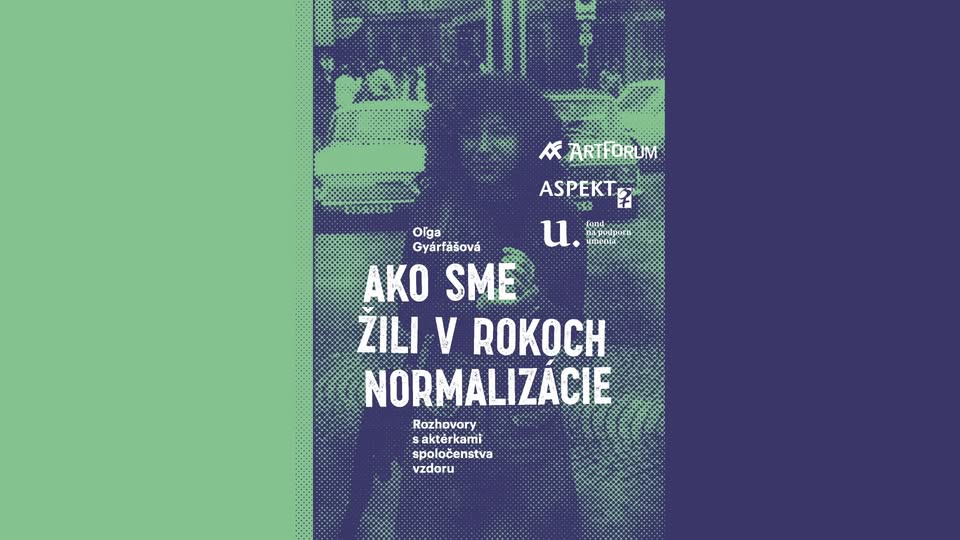
We invite you to a discussion and presentation of sociologist Oľga Gyárfášová's book How we lived in the years of normalization on Thursday, November 28. from 18:00 to Košice's Artfor on Hlavná ul.
The debate is moderated by Adriana Jesenková.
Sociologist Oľga Gyárfášová spoke with ten women who were part of the alternative opposition community during the years of normalization in Bratislava. Through their stories, they give us a glimpse into the world in which the State Security tried to gain control over their lives. and space for yourself. In their memoirs, they open up the topics of emigration, family, preparation of samizdats, imprisonment, interrogation, community of close people, personal freedom. postponed.
MARTA BOTTA: We thought that we would be received as heroes in Sweden, because we felt that we heroes. And they saw us as criminals.
ANNA BUDAJOVÁ: While outside, outside our apartment, gray with red banners prevailed, we were freed.
JOLANA KUSÁ: It was humane. extremely unpleasant. You know, to watch how characters are broken and what kind of people they really are. Since then, I know almost everything there is to know about people.
GABRIELA LANGOŠOVÁ: The samizdat were political, that was what Jano did, and in my environment, translations of psychological literature were done, something like a professional samizdat.
ĽUBA LESNÁ: My father then said that we have to emigrate. I accepted that yes. But my mother said no, and I said that I'm not going anywhere without my mother, so we parted ways.
ĽUDMILA PASTIEROVÁ: When I rewrote Tatarka's Navrávacky for the third time and started "Evulienka, my soul, my heart" , so I already went by heart...
JÚLIA SHERWOOD: Immediately when I thought about moving to Prague and putting on the "terrorism", the idea of emigration seemed more acceptable to my father.
MARTA ŠIMEČKOVÁ: I would also say that I helped. I don't know why, but I also felt that I was helping.
DOROTA ŠIMEKOVÁ: We had a prayer where we promise to fight against evil with weapons like tears, sweat and blood. But he ended up using the word "weapons" in his opinion.
ZUZANA MAĎAROVÁ: Community and "own room" as a prerequisite for political defiance. To the memories of actors from Bratislava's alternative space on the period of normalization.
OĽGA GYÁRFÁŠOVÁ lectures at the Institute of European Studies and International Relations of FSEV UK in Bratislava, she is also a founding member and analyst of the Institute for Public Issues, an independent think tank - tank. In his research, he focuses on analyzes of voter behavior, political culture, European integration, as well as social inclusion and human rights issues. He collaborates on several domestic and international projects, o.i. she is the national coordinator of research on the elections to the European Parliament. She was an external advisor to President Zuzana Čaputová for social issues and public opinion. She has written several books and sociological studies.
We are organizing the discussion with the presentation of the book in cooperation with ASPECT.
The event was supported from public resources by the Art Support Fund.
We are looking forward to you in the bookstore📚
The debate is moderated by Adriana Jesenková.
Sociologist Oľga Gyárfášová spoke with ten women who were part of the alternative opposition community during the years of normalization in Bratislava. Through their stories, they give us a glimpse into the world in which the State Security tried to gain control over their lives. and space for yourself. In their memoirs, they open up the topics of emigration, family, preparation of samizdats, imprisonment, interrogation, community of close people, personal freedom. postponed.
MARTA BOTTA: We thought that we would be received as heroes in Sweden, because we felt that we heroes. And they saw us as criminals.
ANNA BUDAJOVÁ: While outside, outside our apartment, gray with red banners prevailed, we were freed.
JOLANA KUSÁ: It was humane. extremely unpleasant. You know, to watch how characters are broken and what kind of people they really are. Since then, I know almost everything there is to know about people.
GABRIELA LANGOŠOVÁ: The samizdat were political, that was what Jano did, and in my environment, translations of psychological literature were done, something like a professional samizdat.
ĽUBA LESNÁ: My father then said that we have to emigrate. I accepted that yes. But my mother said no, and I said that I'm not going anywhere without my mother, so we parted ways.
ĽUDMILA PASTIEROVÁ: When I rewrote Tatarka's Navrávacky for the third time and started "Evulienka, my soul, my heart" , so I already went by heart...
JÚLIA SHERWOOD: Immediately when I thought about moving to Prague and putting on the "terrorism", the idea of emigration seemed more acceptable to my father.
MARTA ŠIMEČKOVÁ: I would also say that I helped. I don't know why, but I also felt that I was helping.
DOROTA ŠIMEKOVÁ: We had a prayer where we promise to fight against evil with weapons like tears, sweat and blood. But he ended up using the word "weapons" in his opinion.
ZUZANA MAĎAROVÁ: Community and "own room" as a prerequisite for political defiance. To the memories of actors from Bratislava's alternative space on the period of normalization.
OĽGA GYÁRFÁŠOVÁ lectures at the Institute of European Studies and International Relations of FSEV UK in Bratislava, she is also a founding member and analyst of the Institute for Public Issues, an independent think tank - tank. In his research, he focuses on analyzes of voter behavior, political culture, European integration, as well as social inclusion and human rights issues. He collaborates on several domestic and international projects, o.i. she is the national coordinator of research on the elections to the European Parliament. She was an external advisor to President Zuzana Čaputová for social issues and public opinion. She has written several books and sociological studies.
We are organizing the discussion with the presentation of the book in cooperation with ASPECT.
The event was supported from public resources by the Art Support Fund.
We are looking forward to you in the bookstore📚