This event has been ended!
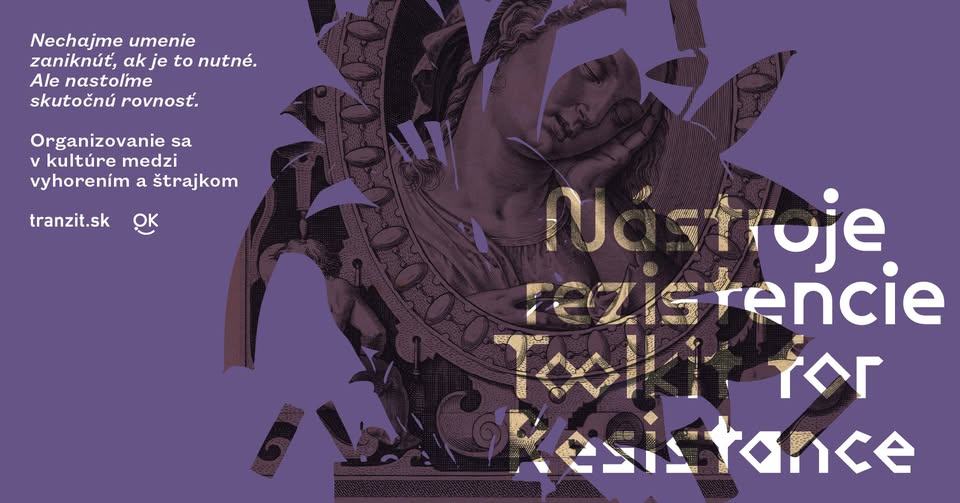
Organizovanie sa v kultúre medzi vyhorením a štrajkom
Organization in culture between burnout and strike
Event by: tranzit.sk
Location: Beskydská 3134/12, Beskydská 12, Bratislava - Staré Mesto
Discussions and lectures
About event
◆ ︎ "Let's let the art disappear if necessary.
But let's set real equality." ◆ ︎
Organization in culture between burnout and strike
/presentation & discussion in transit SK/
★ ◆ will give: Eliška Mazalanová, Ivana Rumanová ◆ ★ /
1. May 2024 were established cultural fields. On September 5, 2024, a strike emergency of art workers, culture and creative industry was announced in Bratislava. However, the strike, which is legally defined as partial or complete interruption of work, has its specifics in culture. If we do not enter work, we do not cause any significant economic damage to the counterparty and our systemic power is minimal compared to other professions. Similarly, in the case of protests, it is more about the pre -formation of democratic principles and the will of the people that Prime Minister Fico has repeatedly stated that it is a constitutional civil law that will not prohibit but will not let the street decide his policy. gestures of helpless defiance? What should be their goal and when can they be considered successful? Can we even agree on it? How will the understanding of art and culture change if artists and artists identify as cultural work, more than authorship? What can initiatives such as cultural disciplines do to improve the working conditions and social status of people in art and to actively disrupt the explosive model of functioning maintaining structural inequalities? In the historical examples of strike, collective and kice and organizing in culture, we want to consider whether they can be instruments to question the domestic "immaculate" art and to raise their own comlications to reproduce social inequalities. defended at the Faculty of Arts of the Charles University in Prague; She is also a co -founder and currently Vice -President of the Cultural Union, which was established in May 2024. She focuses on topics such as social and environmentally engaged art, collaborative practice, as well as internal settings of the world of art and artistic operations, especially with regard to working conditions, precarious or equality of opportunities and related forms of collective organization. cultural workers. Among other things, it cooperates with the transit SK. She studied cultural anthropology at the Faculty of Arts of Charles University in Prague and the program of cultural projects in the public space at the University Paris 1 Pantheon-Sorbonne. This interface between social sciences and art has never been left, and it feels deep enthusiasm and sincere skepticism. She worked as a curator in the New Synagogue Žilina, as well as in the editorial boards of Capital magazines and 3/4. She is a member of the Platform Open Culture!, Chair of Cultural Union and a member of the Committee of Cultural Strike. In 2023 she won the Věra Jirous Award for his contribution in the field of artistic criticism. Artalk.info, flash art cz & sk, capital, goout.net
en: ◆ ︎ "let the arts perish if necessary! But let us have real esta." ◆ ︎
Organing in Culture Between Burnout and Strike
//Presentation & Discussion AT TRANSIT SK/
◆ Talks by: Eliška Mazalanová, Ivana Rumanová ★ BRATISLAVA/
On May 1, 2024, The Cultural Unions (The Cultural Unions) was established. On September 5, 2024, and Strike Alert for Workers in the Arts, Culture, and Creative Industries Was Declared in Bratislava. And Strike, which legislatives defined as a partial or complete interruption of work, HAS ITS Own Specifics in Culture. If We Do Not Go To Work, We Do Not Cause Any Significant Economic Damage To the Other Party, and OUR Systemic Power is Minimal Compared To That of Other Professions. Similarly, in the case of protests, it is a more about exercising democratic principle and the will of the people, which prime Minister Fico Has Has Repeated State and Constitutional Civil Right That Will Not Be Infringed Upon; but He Will Not Let The Street Decide on His Policy. What Should Their Goal Be and When Caning Being Being Successful? Can We Even Agree on This? How Will the Understanding of Art and Culture Change IF artists IDEMSELves More as Cultural Workers Rather Than Artists? What can initiatives dry as Cultural Unions to Improve The Working Conditions and Social Status of Those Working in the Arts, and To Activly disrupt the Exploitive Model of Functioning THAT MAINTINS Using Historical Examples of Strikes, Collective Actions, and Organing in Culture, We Want To Consider WEPHER WHAN BE Tools for Challenging the Supporas "Purity" of Art and Becoming Aware of Own Own Complicity in the Social Inequalities. Mazalan is an art historian and curator. She Received Her PhD from the Faculty of Arts of Charles University in Prague and Is a Co-Founder and Vice-Chair of Cultural Unions (The Cultural Unions) Practice, AS WELL AS THE INTERNAL SETTINGS OF THE ART WORLD AND ART OPERATIONS, ESPECIALLY with Regard to Working Conditions, Precarites, Equal Opportunities, and Related Forms of the Collective Association and Unionization of Cultural Workers. SHE ALSO COOPERATES With Transit SK. She Studied Cultural Anthropology at the Faculty of Arts of Charles University in Prague and The Cultural Projects in Public Space program at the University Paris 1 Panthéon-Sorbonne. She Has Has Never Left This Interface Between Social Sciences and Art, While Feeling Deep Enthusiasm and Sincere Skepticism Twards Both Fields. She Has served as Curator at the New Synagogue Žilina, and on the Editorial Boards of the Magazines Capital and 3/4. She is a Member of the open culture! (Open Culture!) Platform, Chair of Cultural Unions and and Member of the Cultural Strike (Cultural Strike) Committee. In 2023, She Received The Věra Jirous Award for Her Contribtions to the Field of Art Criticism.
..............................................
Event Initiated by Transit SK and Organized in Collaboration with OK!
But let's set real equality." ◆ ︎
Organization in culture between burnout and strike
/presentation & discussion in transit SK/
★ ◆ will give: Eliška Mazalanová, Ivana Rumanová ◆ ★ /
1. May 2024 were established cultural fields. On September 5, 2024, a strike emergency of art workers, culture and creative industry was announced in Bratislava. However, the strike, which is legally defined as partial or complete interruption of work, has its specifics in culture. If we do not enter work, we do not cause any significant economic damage to the counterparty and our systemic power is minimal compared to other professions. Similarly, in the case of protests, it is more about the pre -formation of democratic principles and the will of the people that Prime Minister Fico has repeatedly stated that it is a constitutional civil law that will not prohibit but will not let the street decide his policy. gestures of helpless defiance? What should be their goal and when can they be considered successful? Can we even agree on it? How will the understanding of art and culture change if artists and artists identify as cultural work, more than authorship? What can initiatives such as cultural disciplines do to improve the working conditions and social status of people in art and to actively disrupt the explosive model of functioning maintaining structural inequalities? In the historical examples of strike, collective and kice and organizing in culture, we want to consider whether they can be instruments to question the domestic "immaculate" art and to raise their own comlications to reproduce social inequalities. defended at the Faculty of Arts of the Charles University in Prague; She is also a co -founder and currently Vice -President of the Cultural Union, which was established in May 2024. She focuses on topics such as social and environmentally engaged art, collaborative practice, as well as internal settings of the world of art and artistic operations, especially with regard to working conditions, precarious or equality of opportunities and related forms of collective organization. cultural workers. Among other things, it cooperates with the transit SK. She studied cultural anthropology at the Faculty of Arts of Charles University in Prague and the program of cultural projects in the public space at the University Paris 1 Pantheon-Sorbonne. This interface between social sciences and art has never been left, and it feels deep enthusiasm and sincere skepticism. She worked as a curator in the New Synagogue Žilina, as well as in the editorial boards of Capital magazines and 3/4. She is a member of the Platform Open Culture!, Chair of Cultural Union and a member of the Committee of Cultural Strike. In 2023 she won the Věra Jirous Award for his contribution in the field of artistic criticism. Artalk.info, flash art cz & sk, capital, goout.net
en: ◆ ︎ "let the arts perish if necessary! But let us have real esta." ◆ ︎
Organing in Culture Between Burnout and Strike
//Presentation & Discussion AT TRANSIT SK/
◆ Talks by: Eliška Mazalanová, Ivana Rumanová ★ BRATISLAVA/
On May 1, 2024, The Cultural Unions (The Cultural Unions) was established. On September 5, 2024, and Strike Alert for Workers in the Arts, Culture, and Creative Industries Was Declared in Bratislava. And Strike, which legislatives defined as a partial or complete interruption of work, HAS ITS Own Specifics in Culture. If We Do Not Go To Work, We Do Not Cause Any Significant Economic Damage To the Other Party, and OUR Systemic Power is Minimal Compared To That of Other Professions. Similarly, in the case of protests, it is a more about exercising democratic principle and the will of the people, which prime Minister Fico Has Has Repeated State and Constitutional Civil Right That Will Not Be Infringed Upon; but He Will Not Let The Street Decide on His Policy. What Should Their Goal Be and When Caning Being Being Successful? Can We Even Agree on This? How Will the Understanding of Art and Culture Change IF artists IDEMSELves More as Cultural Workers Rather Than Artists? What can initiatives dry as Cultural Unions to Improve The Working Conditions and Social Status of Those Working in the Arts, and To Activly disrupt the Exploitive Model of Functioning THAT MAINTINS Using Historical Examples of Strikes, Collective Actions, and Organing in Culture, We Want To Consider WEPHER WHAN BE Tools for Challenging the Supporas "Purity" of Art and Becoming Aware of Own Own Complicity in the Social Inequalities. Mazalan is an art historian and curator. She Received Her PhD from the Faculty of Arts of Charles University in Prague and Is a Co-Founder and Vice-Chair of Cultural Unions (The Cultural Unions) Practice, AS WELL AS THE INTERNAL SETTINGS OF THE ART WORLD AND ART OPERATIONS, ESPECIALLY with Regard to Working Conditions, Precarites, Equal Opportunities, and Related Forms of the Collective Association and Unionization of Cultural Workers. SHE ALSO COOPERATES With Transit SK. She Studied Cultural Anthropology at the Faculty of Arts of Charles University in Prague and The Cultural Projects in Public Space program at the University Paris 1 Panthéon-Sorbonne. She Has Has Never Left This Interface Between Social Sciences and Art, While Feeling Deep Enthusiasm and Sincere Skepticism Twards Both Fields. She Has served as Curator at the New Synagogue Žilina, and on the Editorial Boards of the Magazines Capital and 3/4. She is a Member of the open culture! (Open Culture!) Platform, Chair of Cultural Unions and and Member of the Cultural Strike (Cultural Strike) Committee. In 2023, She Received The Věra Jirous Award for Her Contribtions to the Field of Art Criticism.
..............................................
Event Initiated by Transit SK and Organized in Collaboration with OK!