This event has been ended!
Pravidelná spoločná zenová prax
Regular joint Zen practice
Event by: KWAN UM ZEN Košice
Location: Centrum MaJel Rovás, Alžbetina 655/42, Staré Mesto
Talks & discussions, Health & wellness
About event
The heart of the Kwan Um Zen school is practice
Our practice is to return, moment by moment, to our original nature that exists before thoughts arise. Our founding teacher, Zen Master Seung Sahn, called it very simply, "I don't know." This means that in each moment we open ourselves up to all that appears to us, perceive clearly, and act with our natural compassion and wisdom for the benefit of all beings.
Zen centers of Kwan Um Zen schools around the world offer training in Zen meditation through meditation instruction, daily morning and evening meditation, public lectures, teaching talks, retreats, workshops and community life. Our programs are open to everyone, regardless of previous experience.
The goal of the school is to make this practice of Zen meditation accessible to the widest possible circle of people. Our desire is to help human beings find their true direction and contribute to the betterment of this world.
Regular practice in the style of the Kwan Um Zen school takes place regularly at the Santosha Yoga Shala Center
< br/>18:30 evening sutra chants
19:00 zazen meditation 2x25 minutes
10-minute walking meditation among sessions
More about the school: https://kwanumzen.org
Why do we practice together?
🧘♀️Supporting a community of practitioners and collective synergy
🧘♂️Sharing and exchanging experiences
🧘 Improving discipline and commitment
🧘♀️ Creating and maintaining the habit practice in everyday life
🧘♂️Strengthening learning and understanding
Zazen meditation focuses on deep concentration and introspection
During zazen, the meditator sits in a specific position, usually in a lotus (fully crossed legs) or half lotus (partially crossed legs) seat. The hands are usually placed in a "mudra" (a specific position of the hands) and the back is straight.
The main goal of zazen is to calm the mind and achieve a state of inner silence and clarity. Attention is usually focused on the breath or on a specific point, such as observing the natural rhythm of breathing.
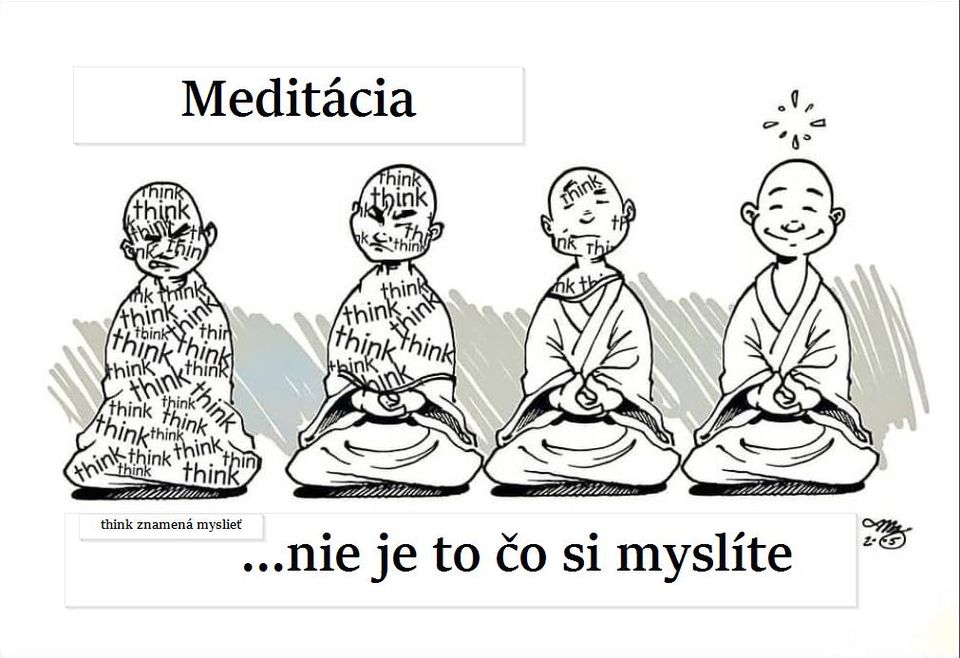
In zazen, the meditator tries not to detect or identify the thoughts that arise, but rather to let them go and return to the focus. to the breath, the present moment.
During zazen, there is also a process of self-observation and analysis of one's own thoughts, feelings, motivations and mental states. It is the ability to look inside oneself and explore one's inner experiences and experiences. This process can include various aspects, such as:
Self-reflection: Deep reflection on one's own behavior, decisions and their causes. This includes evaluating why we do certain things and how our assumptions and beliefs influence our actions.
Self-awareness: Introspection can lead to a better understanding of oneself, including one's strengths and weaknesses, values and emotions. In this way, we can gain a clearer picture of who we are and what motivates us.
In many spiritual and meditative practices, introspection is a key tool for spiritual growth and self-knowledge. It helps us discover the deeper aspects of our identity and our life goals.
Introspection can help resolve personal problems and conflicts by reflecting on how we feel and why they happen. This process can reveal new perspectives and approaches to solving problems.
Meditation by chanting sutras 🧘🎶🧘♀️🎶🧘♂️
Chanting sutras in Zen Buddhism and similar traditions is not only a ritual act, but has a profound effect on the spiritual and emotional life of the practitioner. It helps shape the practice and deepen the spiritual experience by creating an environment and atmosphere that supports meditation and spiritual growth.
Focusing the mind: Chanting the sutras helps meditators focus on a specific text and sound, promoting deeper immersion. into spiritual practice.
In the group common practice of chanting sutras, the feeling of unity and cohesion among the participants is strengthened. Sharing a common rhythm and sound creates a collective harmony.
Chanting sutras is part of rituals designed to deepen spiritual experience. (In Zen, these ceremonies are short, simple.)
Rituals help preserve and accurately perform traditional practices that preserve the authenticity and continuity of the tradition. They also often contain cultural elements that reflect the values, history and beliefs of that school or style (Kwan Um is based on Korean Zen Buddhism). Rituals intensify and support a deeper experience of the practice itself.
😐
Zen practice is not suitable for people with serious psychological problems or those who are not in stable mental health. This practice can in some cases worsen their health.
Our practice is to return, moment by moment, to our original nature that exists before thoughts arise. Our founding teacher, Zen Master Seung Sahn, called it very simply, "I don't know." This means that in each moment we open ourselves up to all that appears to us, perceive clearly, and act with our natural compassion and wisdom for the benefit of all beings.
Zen centers of Kwan Um Zen schools around the world offer training in Zen meditation through meditation instruction, daily morning and evening meditation, public lectures, teaching talks, retreats, workshops and community life. Our programs are open to everyone, regardless of previous experience.
The goal of the school is to make this practice of Zen meditation accessible to the widest possible circle of people. Our desire is to help human beings find their true direction and contribute to the betterment of this world.
Regular practice in the style of the Kwan Um Zen school takes place regularly at the Santosha Yoga Shala Center
< br/>18:30 evening sutra chants
19:00 zazen meditation 2x25 minutes
10-minute walking meditation among sessions
More about the school: https://kwanumzen.org
Why do we practice together?
🧘♀️Supporting a community of practitioners and collective synergy
🧘♂️Sharing and exchanging experiences
🧘 Improving discipline and commitment
🧘♀️ Creating and maintaining the habit practice in everyday life
🧘♂️Strengthening learning and understanding
Zazen meditation focuses on deep concentration and introspection
During zazen, the meditator sits in a specific position, usually in a lotus (fully crossed legs) or half lotus (partially crossed legs) seat. The hands are usually placed in a "mudra" (a specific position of the hands) and the back is straight.
The main goal of zazen is to calm the mind and achieve a state of inner silence and clarity. Attention is usually focused on the breath or on a specific point, such as observing the natural rhythm of breathing.
In zazen, the meditator tries not to detect or identify the thoughts that arise, but rather to let them go and return to the focus. to the breath, the present moment.
During zazen, there is also a process of self-observation and analysis of one's own thoughts, feelings, motivations and mental states. It is the ability to look inside oneself and explore one's inner experiences and experiences. This process can include various aspects, such as:
Self-reflection: Deep reflection on one's own behavior, decisions and their causes. This includes evaluating why we do certain things and how our assumptions and beliefs influence our actions.
Self-awareness: Introspection can lead to a better understanding of oneself, including one's strengths and weaknesses, values and emotions. In this way, we can gain a clearer picture of who we are and what motivates us.
In many spiritual and meditative practices, introspection is a key tool for spiritual growth and self-knowledge. It helps us discover the deeper aspects of our identity and our life goals.
Introspection can help resolve personal problems and conflicts by reflecting on how we feel and why they happen. This process can reveal new perspectives and approaches to solving problems.
Meditation by chanting sutras 🧘🎶🧘♀️🎶🧘♂️
Chanting sutras in Zen Buddhism and similar traditions is not only a ritual act, but has a profound effect on the spiritual and emotional life of the practitioner. It helps shape the practice and deepen the spiritual experience by creating an environment and atmosphere that supports meditation and spiritual growth.
Focusing the mind: Chanting the sutras helps meditators focus on a specific text and sound, promoting deeper immersion. into spiritual practice.
In the group common practice of chanting sutras, the feeling of unity and cohesion among the participants is strengthened. Sharing a common rhythm and sound creates a collective harmony.
Chanting sutras is part of rituals designed to deepen spiritual experience. (In Zen, these ceremonies are short, simple.)
Rituals help preserve and accurately perform traditional practices that preserve the authenticity and continuity of the tradition. They also often contain cultural elements that reflect the values, history and beliefs of that school or style (Kwan Um is based on Korean Zen Buddhism). Rituals intensify and support a deeper experience of the practice itself.
😐
Zen practice is not suitable for people with serious psychological problems or those who are not in stable mental health. This practice can in some cases worsen their health.