This event has been ended!
Rezidence Café Kaprál ⟨PAVEL ŠUHÁJEK: VČELY VYROBENÉ Z TMY⟩
Residence Café Kaprál ⟨PAVEL SUHÁJEK: BEES MADE FROM DARKNESS⟩
Event by: Rezidence Café Kaprál, Větrné mlýny
Location: KUMST, Údolní 495/19, Brno-střed
Art Exhibitions
About event
Bees made of darkness
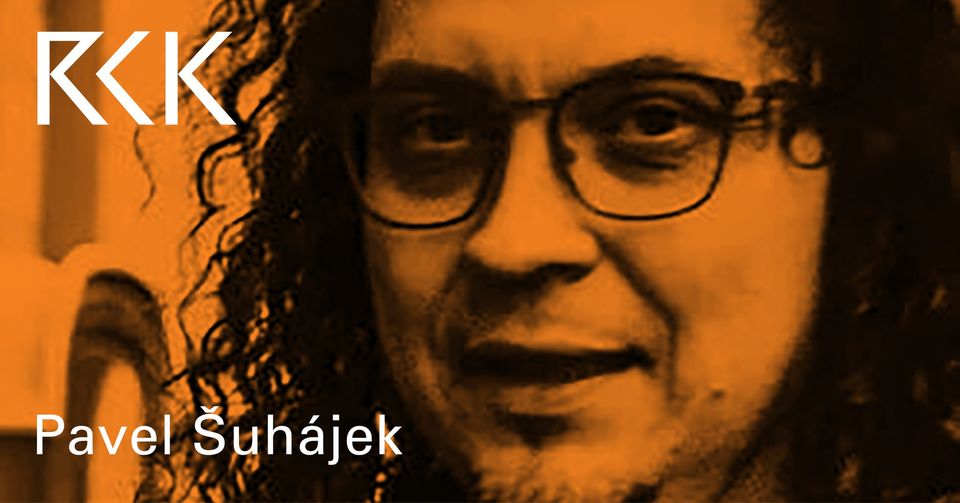
Opening of the poetry book by Pavel Šuhájek
"I'm afraid of being alone after death", writes the author in the last text of this collection. It is one of the most powerful verses I have ever read. Pavel writes and thinks as a poet should: in images that are charged with emotions, not proclamations. I feel the spontaneity and relaxation of his speech, which responds to the movement of life and the world. He can wait for the key moment: he writes only after he experiences deep emotion, anger or enlightenment. He is not afraid to record his inner voice at the moment when there is a head-on collision with reality. These poems are x-rays of intense feelings and shifting states of mind. In a visionary summation, they speak a truth about the world that is more compelling than any journalistic report. Rimbaud said that the poet is a seer, but it is possible that today this maxim sounds like a hackneyed phrase. But when I read the poems of Pavel Šuhájek, I have the feeling that I see this "state" or perhaps "process" in practice. His poems suddenly bring me back to the awareness of the basic qualities that poetry should abound in. For imagination and inner experience: "the trolleybus is filled / increasing / with animal heat / glowing / with advertising signs and the ghosts of still living people / on a grainy image". (from Jakub Řehák's afterword)
Petr Čermák hosts.
Opening of the poetry book by Pavel Šuhájek
"I'm afraid of being alone after death", writes the author in the last text of this collection. It is one of the most powerful verses I have ever read. Pavel writes and thinks as a poet should: in images that are charged with emotions, not proclamations. I feel the spontaneity and relaxation of his speech, which responds to the movement of life and the world. He can wait for the key moment: he writes only after he experiences deep emotion, anger or enlightenment. He is not afraid to record his inner voice at the moment when there is a head-on collision with reality. These poems are x-rays of intense feelings and shifting states of mind. In a visionary summation, they speak a truth about the world that is more compelling than any journalistic report. Rimbaud said that the poet is a seer, but it is possible that today this maxim sounds like a hackneyed phrase. But when I read the poems of Pavel Šuhájek, I have the feeling that I see this "state" or perhaps "process" in practice. His poems suddenly bring me back to the awareness of the basic qualities that poetry should abound in. For imagination and inner experience: "the trolleybus is filled / increasing / with animal heat / glowing / with advertising signs and the ghosts of still living people / on a grainy image". (from Jakub Řehák's afterword)
Petr Čermák hosts.