This event has been ended!
SEZONA 2024 | III. abonentní koncert
SEASON 2024 | III. subscription concert
Event by: Český národní symfonický orchestr - CNSO
Location: Obecní Dům, Náměstí Republiky 5, Praha 1
Tickets: Get tickets
About event
Program
Johann Sebastian Bach – Suite No. 3 in D major
Vincenzo Bellini – Concerto for Trumpet and Orchestra in E flat major
Antonio Vivaldi – Concerto for Two Trumpets and Strings in C major
Giacomo Puccini – La tregenda / Dance of the wild women from the opera Le Villi / Fairies
Ottorino Respighi – I pini di Roma / Roman pines, symphonic poem
Performer
Czech National Symphony Orchestra
Marcello Rota, conductor
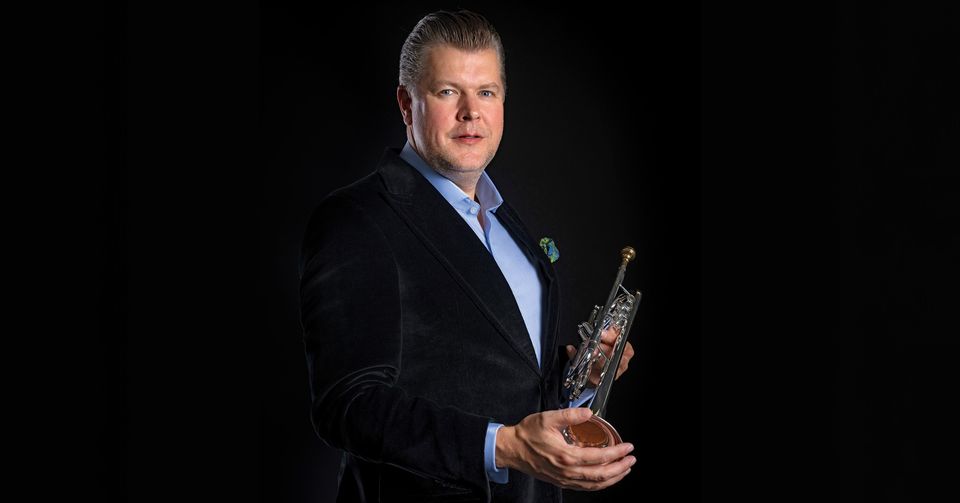
Jiří Houdek, Jan Hasenöhrl, trumpets
After the opening suite, which one of the greatest musical geniuses of all time, Johann Sebastian Bach (1685–1750 ) wrote for the concerts of the famous Leipzig ensemble Collegium musicum, concertgoers will enjoy two trumpet concerts.
We know Vincenzo Bellini (1801–1835) primarily as an opera composer, one of the most important representatives of Italian bel canto. At the age of 22, however, he wrote the Concerto for Oboe and Orchestra in E flat major, the score of which was preserved by the composer's friend Francesco Florimo, the librarian of the monastery library in Naples, where the autograph was discovered in 1940. The work of the great melodist Bellini was tempted to make transcriptions, the composition featured on III. the ČNSO subscription concert is its arrangement for trumpet, there is also a version for trombone.
The Italian Baroque master Antonio Vivaldi (1678–1741), whose four violin concertos The Four Seasons are still among the most performed compositions worldwide, worked as a music teacher in Venice at the Ospedale della Pietà, one of the four orphanages there for abandoned girls. He wrote a number of compositions for the needs of the institution and its semi-public performances, including the Concerto for Two Trumpets and Strings in C major.
Giacomo Puccini (1858–1924) was one of the most famous opera composers with the musical masterpieces Bohème, Tosca, Madame Butterfly, Turandot and others. However, his first work, the one-act opera The Fairies (Le villi), did not win a prize in a competition launched in 1883 by publisher Edoardo Sonzogno. A year later, Puccini reworked the opera into two acts, and this new version has already met with great success. The opera contains two intermezzos, one of which is La tregenda (Dance of the Wild Women), which we will hear at the concert.
The Italian composer Ottorino Respighi (1879–1936) paid tribute to the capital of Rome with a trilogy of symphonic poems Fontane di Roma (Fountains of Rome), Pini di Roma (Pine trees of Rome) and Feste Romane (Roman Festivals). Roman Pines from 1924 represent a walk through Rome with the characteristic scent of trees. At Villa Borghese, children play in the shade of the pine trees, dignified pine trees near the historical catacombs evoke the echo of ancient times in hymn sounds, on the Gianicolo hill, the night breeze plays with the tops of the pine trees. On the Via Appia, the remains of a Roman road from the 4th century BC, the image of the past emerges again: a solemn procession of troops, accompanied by brass, marches triumphantly towards the Capitol.