This event has been ended!
SPÄTI - Frauen in der Geschichte sichtbar machen
SPÄTI - Making women visible in history
Event by: Humboldt Forum
Location: Schloßplatz, Schloßplatz, Berlin - Mitte
About event
[English below] Making women visible in history
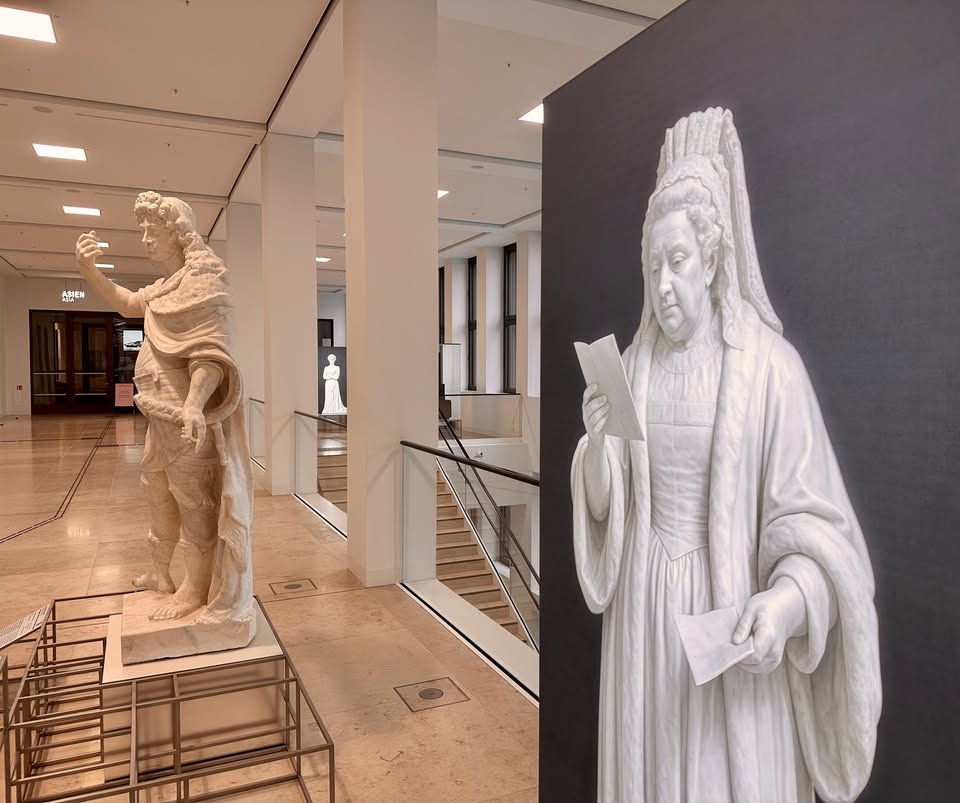
Women have been able to achieve considerable political effectiveness in the past - contrary to what the male-dominated images of history would have us believe. Women also played a central role in the princely courts of the Middle Ages and early modern times, but this is still not made visible enough in museums.
The WIRKSAM project will connect ten museums and institutions in 2025/2026 with the common goal of changing that.
The networking of the princesses with their mothers, aunts, sisters and nieces linked the courts of Europe over long distances. With their marriage policy for their children, they forged alliances and established inheritance claims. It was usually the women who created options for men to act in the background. Despite patriarchal role assignments, they appear to us as independent, intelligent and tactical people.
Dr. Simona Schellenberger from the State Palaces, Castles and Gardens of Saxony and Dr. Alfred Hagemann from the History of the Place section of the Humboldt Forum Foundation report on the shared concern of WIRKSAM and their projects in Meißen and Berlin.
More information: https://kurzlinks.de/62bi
___
[EN] Making Women Visible in History
Contrary to the male-dominated narratives of history, women in the past were able to exert significant political influence. At princely courts during the Middle Ages and the early modern period, women played a central role, yet their contributions remain underrepresented in museums today.
The project WIRKSAM brings together ten museums and institutions in 2025/2026 with a shared goal: to change that.
Through their networks of mothers, aunts, sisters, and nieces, princesses connected courts across Europe over vast distances. By arranging strategic marriages for their children, they forged alliances and secured claims to inheritance. Often working behind the scenes, women created options for men to act. Despite patriarchal constraints, they emerge as independent, intelligent, and tactically skilled individuals.
Dr Simona Schellenberger from the State Palaces, Castles and Gardens of Saxony and Dr Alfred Hagemann from the Stiftung Humboldt Forum’s “History of the Site” department will share insights into WIRKSAM’s mission and their projects in Meissen and Berlin.
More information: https://kurzlinks.de/epgw
Picture credits: Image 1 © Stiftung Prussian Palaces and Gardens Berlin-Brandenburg / Stiftung Humboldt Forum in the Berlin Palace, photo: Alfred Hagemann