This event has been ended!
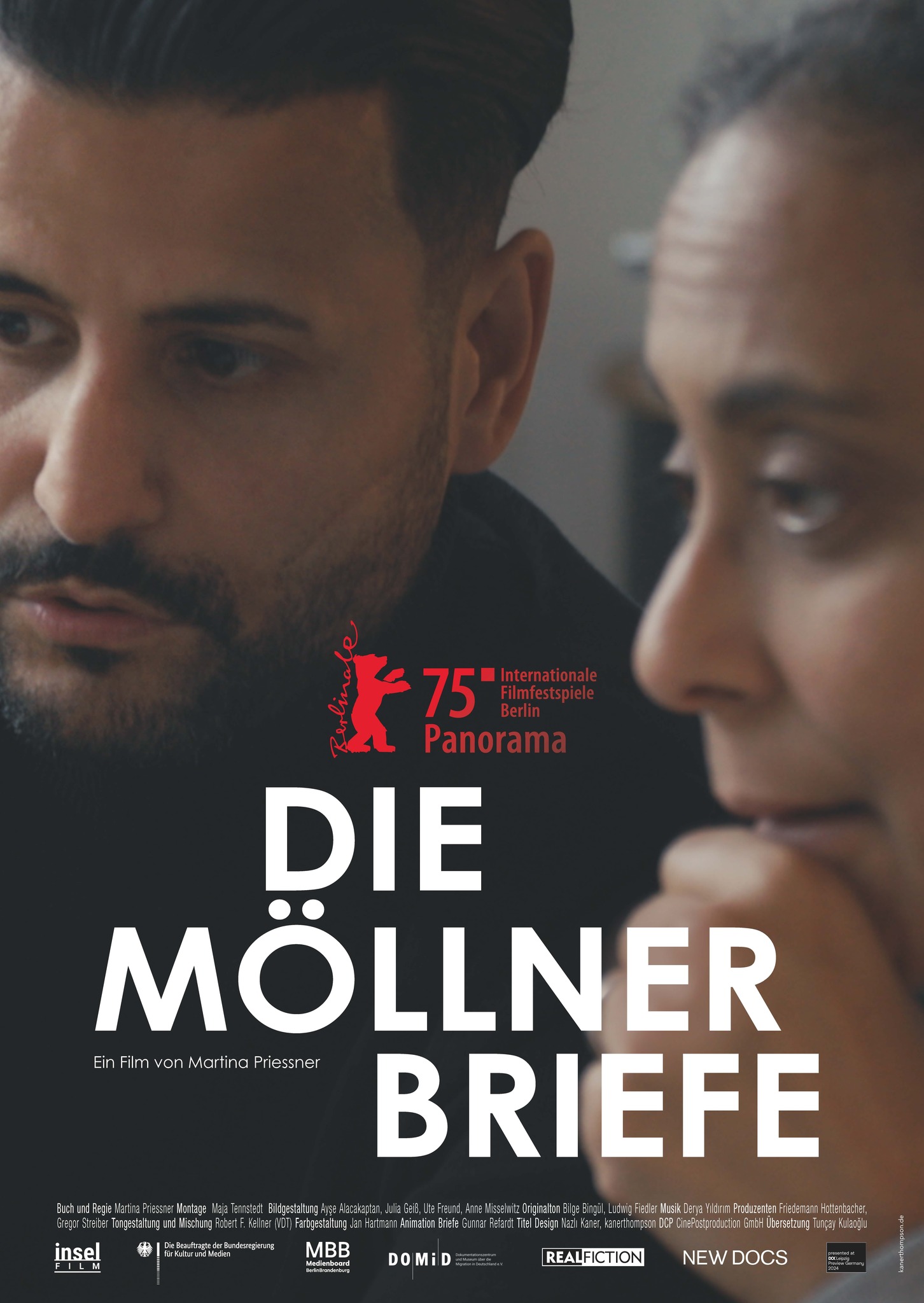
SPECIAL SCREENING: Dokumentarfilm "DIE MÖLLNER BRIEFE" mit Regiegespräch
Special screening: Documentary film "Die Möllner Letters" with a committee interview
Event by: Real Fiction
Tickets: Get tickets
Talks & discussions
About event
Special demonstration of the documentary "Die Möllner Letters" by Martina Priessner.
In the presence and followed by a conversation with the director.
In November 1992 the racist arson attack by Mölln destroyed the life of İbrahim Arslan and his family. The then seven -year -old İbrahim survived, but lost his sister, his cousin and his grandmother. The city of Mölln received hundreds of letters with expressions of solidarity, but nobody noticed for almost three decades. The film follows İbrahim when discovering these letters and meeting three of its authors. At the same time, it draws a complex portrait of continuing trauma, which still affects İbrahim and his siblings. İbrahim has found a dealings with the events by actively fighting racism and campaigning for a culture of remembrance that focuses on the victims. His brother Namik, on the other hand, is still at the beginning of his way of coping.
The film not only illuminates the experiences of the survivors, he also reveals the great solidarity that existed at the time - a solidarity from which the victims knew nothing up to this point. He beats a bridge between the past and the present and occupies a perspective of the memory, which gives the voices of those affected the space and the recognition they deserve. (Berlinale)
In the presence and followed by a conversation with the director.
In November 1992 the racist arson attack by Mölln destroyed the life of İbrahim Arslan and his family. The then seven -year -old İbrahim survived, but lost his sister, his cousin and his grandmother. The city of Mölln received hundreds of letters with expressions of solidarity, but nobody noticed for almost three decades. The film follows İbrahim when discovering these letters and meeting three of its authors. At the same time, it draws a complex portrait of continuing trauma, which still affects İbrahim and his siblings. İbrahim has found a dealings with the events by actively fighting racism and campaigning for a culture of remembrance that focuses on the victims. His brother Namik, on the other hand, is still at the beginning of his way of coping.
The film not only illuminates the experiences of the survivors, he also reveals the great solidarity that existed at the time - a solidarity from which the victims knew nothing up to this point. He beats a bridge between the past and the present and occupies a perspective of the memory, which gives the voices of those affected the space and the recognition they deserve. (Berlinale)