This event has been ended!
vernisáž // Hlavou a rukama. Škola uměleckých řemesel v Brně (1924-2024)
vernissage // head and hands. The School of Arts in Brno (1924-2024)
Event by: Dům umění města Brna
Location: Malinovského nám. 2, Malinovského náměstí 2, Brno-střed
Discussions and lectures, Art Exhibitions
About event
We cordially invite you to the opening of the exhibition with our heads and hands. The school of artistic crafts in Brno (1924-2024), which will take place on Tuesday, October 21 at 18:00 at the House of Arts on Malinovské Square. As part of the accompanying program, Bára Zmeková, award -winning composer, pianist and singer with an unmistakable speech, moving in her songs with author's texts between jazz, folk, classical music and fine electronics.
Program
(The program will be specified.)
about the exhibition
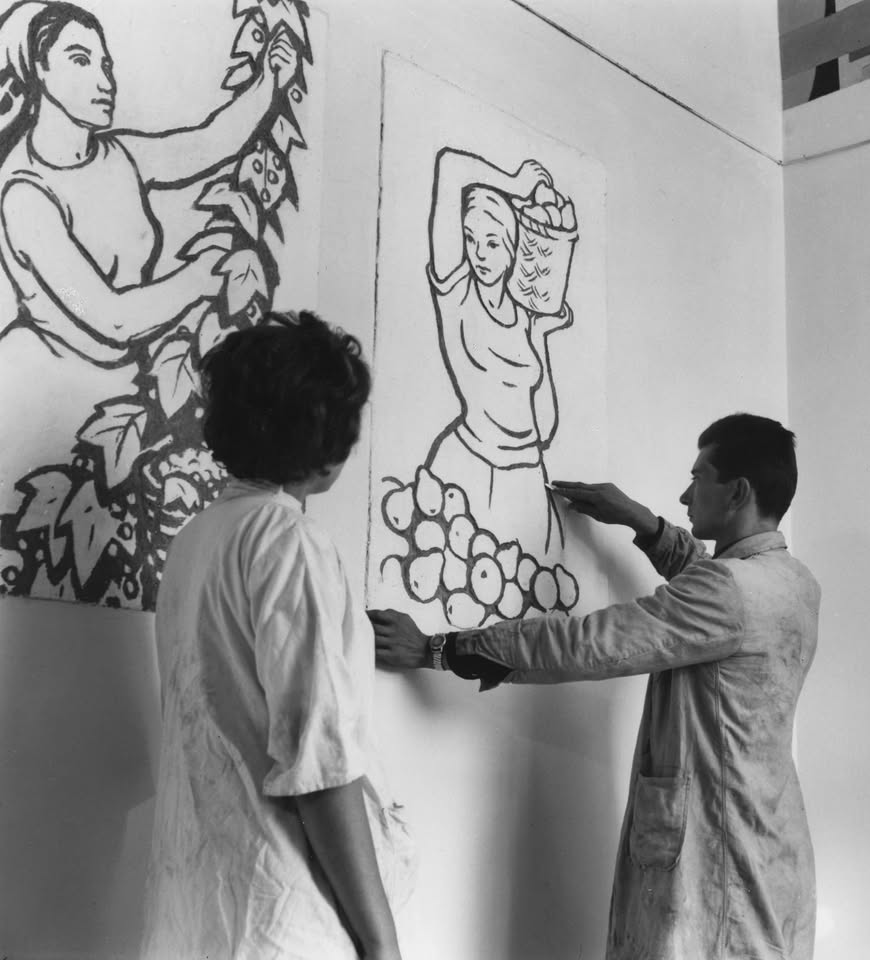
How was modern art and design born in Brno? What were the methods of artistic education? And how did the former art school of crafts become today's Secondary School of Art and Design and the College of Brno? The exhibition captures the 100 -year -old story of a Central European institution, which encountered local folklore traditions with experimental artistic avant -garde, obedience to political establishment with bold free -thinking and traditional craftsmanship with new media. In short, it presents the outcome of the team research, which is more extensive published in the book of the same name.
The exhibition is divided into six chronological sections. These sections are framed by historical milestones, which often had a major impact on school. On the other hand, the exhibition can be seen as a very incomplete report on the Brno artistic events by the prism of one secondary art school.
The title of the exhibition with head and hands refers to the distinction of art and artistic education. More specifically, it reminds of some pedagogical procedures that are given attention in the exhibition. On a more general level, it is characterized by an attempt to capture variable ideas about the social importance of art and also how someone actually becomes an artist or artist.
The school of artistic crafts (abbreviated Šuř), which was founded by the Chamber of Commerce and Trade in Brno in 1924, was to represent a specific modern alternative towards most German -language school institutions that existed in Moravia since the end of the 19th century, but also to Prague's Academy of Sciences and analogous schools in Austria and Germany. The teaching staff, which worked at the Brno school in the context of the First Republic, but also in the Protectorate 1940s, focused on the cultivation of modern local cultural identity and production, which would be a bolt between international modernity and Moravian regional traditions. There were many prominent personalities at the art craft school (eg Emanuel Hrbek, Josef Vydra, Petr Dillinger, Božena Rothmayerová-Hornek, Viktor Oppenheimer, Jaroslav Král, Karel Langer, Jan Lichtág, František Kalivoda, Zdeněk Rossmann, Antonín Jero, František Malý Bohdan Lacina, Josef A. Cup, Jindrich Svoboda, Karel Otto Hruby, Marie Filippova, Dalibor and Ivan Chatni, Pavel Dias, Vladimir Židlicky, Pavel Dvorský, Jan Rajlich, Emanuel Ranny, Petr Veselý); The school is associated with a number of former students (František Přeslý, Bohumír Matal, Ester Krumbachová, Teodor Rotrekl, Inez Tuschnerová, Jiří Pelcl, Josef Daněk, Blahoslav Rozbořil, Václav Jirásek, Kateřina Šedá, Barbora Klímová and others). The former Šuř today officially uses the name of the Secondary School of Art and Design, and the Brno College is also part of the Brno. It focuses on the discussion of new or lesser -known moments from the history and present of the school, which is based on the studies of the preserved works of prominent teachers and graduates of the school as well as the archive funds, which in addition to great stories of art history reveal normal educational operations and teaching methods (textbooks, teaching aids, enrollments). In the form of partial detailed branches, it will be possible to open smaller thematic probes in the background of historical contexts, which will more plastic to draw a comprehensive image of the institution. Art -Industrial Education: Identity Construction, Preserving the past and Design of the Future (DH23P03OVV061). The recipient of the Grant Naki III is the Academy of Arts, Architecture and Design in Prague, the Mistatvorivosti.umprum.cz.
The main media partner of the exhibition is Czech Television.
Program
(The program will be specified.)
about the exhibition
How was modern art and design born in Brno? What were the methods of artistic education? And how did the former art school of crafts become today's Secondary School of Art and Design and the College of Brno? The exhibition captures the 100 -year -old story of a Central European institution, which encountered local folklore traditions with experimental artistic avant -garde, obedience to political establishment with bold free -thinking and traditional craftsmanship with new media. In short, it presents the outcome of the team research, which is more extensive published in the book of the same name.
The exhibition is divided into six chronological sections. These sections are framed by historical milestones, which often had a major impact on school. On the other hand, the exhibition can be seen as a very incomplete report on the Brno artistic events by the prism of one secondary art school.
The title of the exhibition with head and hands refers to the distinction of art and artistic education. More specifically, it reminds of some pedagogical procedures that are given attention in the exhibition. On a more general level, it is characterized by an attempt to capture variable ideas about the social importance of art and also how someone actually becomes an artist or artist.
The school of artistic crafts (abbreviated Šuř), which was founded by the Chamber of Commerce and Trade in Brno in 1924, was to represent a specific modern alternative towards most German -language school institutions that existed in Moravia since the end of the 19th century, but also to Prague's Academy of Sciences and analogous schools in Austria and Germany. The teaching staff, which worked at the Brno school in the context of the First Republic, but also in the Protectorate 1940s, focused on the cultivation of modern local cultural identity and production, which would be a bolt between international modernity and Moravian regional traditions. There were many prominent personalities at the art craft school (eg Emanuel Hrbek, Josef Vydra, Petr Dillinger, Božena Rothmayerová-Hornek, Viktor Oppenheimer, Jaroslav Král, Karel Langer, Jan Lichtág, František Kalivoda, Zdeněk Rossmann, Antonín Jero, František Malý Bohdan Lacina, Josef A. Cup, Jindrich Svoboda, Karel Otto Hruby, Marie Filippova, Dalibor and Ivan Chatni, Pavel Dias, Vladimir Židlicky, Pavel Dvorský, Jan Rajlich, Emanuel Ranny, Petr Veselý); The school is associated with a number of former students (František Přeslý, Bohumír Matal, Ester Krumbachová, Teodor Rotrekl, Inez Tuschnerová, Jiří Pelcl, Josef Daněk, Blahoslav Rozbořil, Václav Jirásek, Kateřina Šedá, Barbora Klímová and others). The former Šuř today officially uses the name of the Secondary School of Art and Design, and the Brno College is also part of the Brno. It focuses on the discussion of new or lesser -known moments from the history and present of the school, which is based on the studies of the preserved works of prominent teachers and graduates of the school as well as the archive funds, which in addition to great stories of art history reveal normal educational operations and teaching methods (textbooks, teaching aids, enrollments). In the form of partial detailed branches, it will be possible to open smaller thematic probes in the background of historical contexts, which will more plastic to draw a comprehensive image of the institution. Art -Industrial Education: Identity Construction, Preserving the past and Design of the Future (DH23P03OVV061). The recipient of the Grant Naki III is the Academy of Arts, Architecture and Design in Prague, the Mistatvorivosti.umprum.cz.
The main media partner of the exhibition is Czech Television.