This event has been ended!
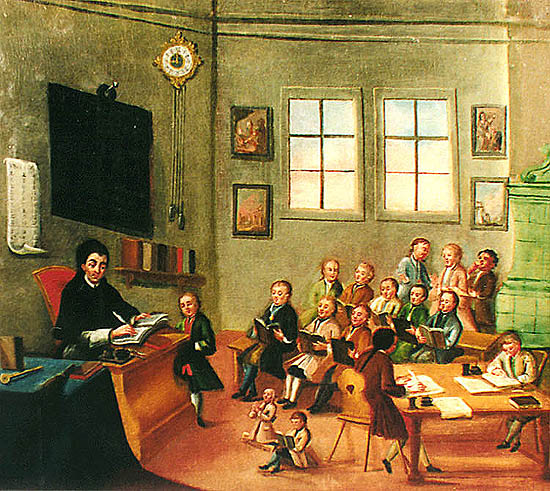
X. (mezinárodní) bienále: Zavedení všeobecné školní docházky a školská reforma
X. (International) Biennial: Introduction of General Schooling and School Reform
Event by: Národní pedagogické muzeum J. A. Komenského, Česká společnost pro výzkum 18. století
Location: National Pedagogical Museum and Library of J. A. Comenius, Valdštejnská 161/20, Praha 1
About event
In cooperation with the Czech Society for Research of the 18th century
and the National Pedagogical Museum and the Library of Jan Amos Comenius
will be held in Prague on 6 - 7 November 2025
x. (International) Biennial of the Czech Society for Research of the 18th century
introduction of general school attendance and school reform
At the end of the 18th century in the Habsburg monarchy and other Central European regions. in 1774. On the basis of the Felbiger Education Act, the Organizational Education Order for Hungary, ratio Educationis totiusque rei liteariae per regnum hungariae et provincias Eidem Adnexas (a system of education and school education in the Kingdom of Hungary. Around the same time, other essential achievements in the field of elementary education in Central Europe, which encourage a comparative view: in 1774 the Education Institute Philantropinum and Poland was established on the initiative of King Stanisław August Poniatowski in 1773 established a national education commission - the first central institution for education in the world. and buildings of canceled Jesuit schools. Two years later, the Society for Elementary Books was founded in Warsaw, which was to create textbooks.
The aim of the X. Biennial of the Czech Society for Research of the 18th Century is to map and compare new educational and teaching models, which at that time were formed not only in various countries of the Habsburg monarchy, but also in other regions of Central Europe, especially German and Polish.
possible topics (circuits) of conference contributions:
- building a school network, organizational and financial conditions and obstacles
- organization of state supervision of education
- scholarization and alphabetization of simple subjects; Possibilities and limits of school attendance
- school as a tool of discipline and civic loyalty
- role of secondary schools, relation to traditional grammar schools (Latin/Order)
- Problems of school buildings and their equipment Textbooks
- Education of teachers and their material security
- Building and reorganization of evangelical and Jewish education
- home education and control
- Education and education of children
- scholars and their roles in education
The venue will be specified.
Selected posts will be published after proper review proceedings in the ČSVOS - Cornova magazine (Erih+, Scopus, Daaj), or in another comparable periodical.
Those interested in participation can send Czech and English abstract of their contribution in the range of half to one page (about 400 to 700 words) to 15 June 2025 to the address [email protected].
For organizers:
doc. Daniela Tinková, PhD., Faculty of Arts, Charles University; ČSVOS
[email protected]
Mgr. Martina Halířová, PhD.