¡Este evento ha terminado!
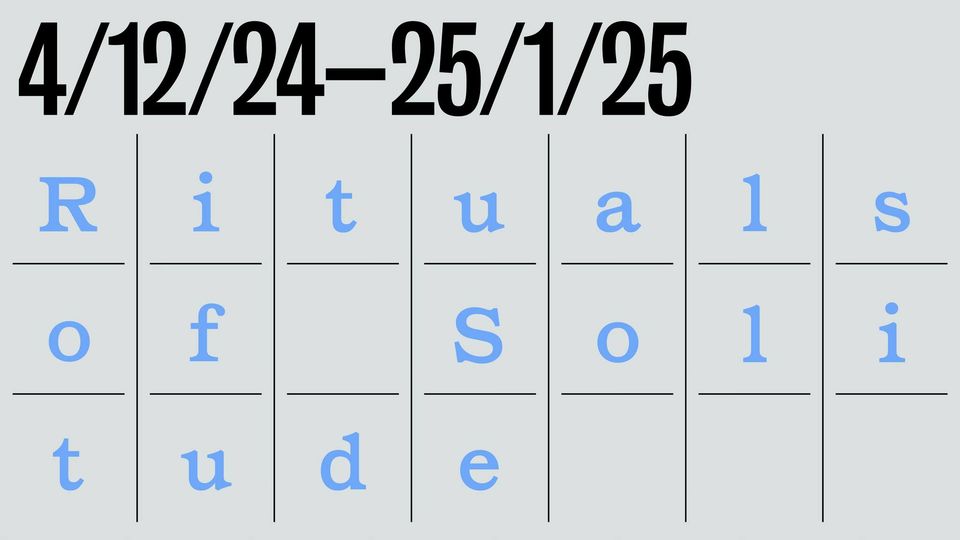
Unfolding Pavilion: Rituals of Solitude - artist talk & opening
Pabellón desplegable: Rituales de soledad - charla de artista e inauguración
Evento por: VI PER, Unfolding Pavilion, Davide Tommaso Ferrando, Daniel Tudor Munteanu
Ubicación: Gallery VIPER, Vítkova 293, Praha 8
Evento en línea
Discussions and lectures, Art Exhibitions
Acerca del evento
/Please scroll down for English/
V létě roku 2020 absolvovala skupina dvanácti architektů týdenní uměleckou rezidenci, kdy byli ubytování v jednotlivých místnostech zchátralého domu na malém ostrůvku ležícím v Benátské laguně. Každý z architektů zde pobýval izolovaně v samostatné místnosti vybavené jediným kusem nábytku, na jehož výběr neměl vliv.
Dům byl téměř přesnou replikou toho, co se dříve považovalo za nerealizovaný projekt amerického architekta Johna Hejduka. Tento projekt byl původně představen na semináři na IUAV v Benátkách v roce 1978 pod názvem The House for the Inhabitant Who Refused to Participate (Dům pro obyvatele, který se odmítl zapojit).
Dům je založen na svislém rastru 3 × 4 krabicovitých jednotek zavěšených na přední straně čtvercové stěny. V zadní části je těchto dvanáct jednotek propojeno na každé úrovni chodbou a dále dvěma válcovými průchozími jádry. Kontrast mezi odhalenou přední a skrytou zadní částí domu je funkční i symbolický zároveň: zatímco přední část disponuje postmoderní kompozicí oken a stěn, zadní vykazuje modernistické prvky, jako jsou piloty a pásová okna. Každá závěsná jednotka slouží jako samostatná místnost vybavená pouze jedním kusem nábytku – například lednicí, umyvadlem nebo postelí – s výjimkou sedmé jednotky, která je ponechaná zcela prázdná. Každý kus nábytku definuje a vyčleňuje konkrétní domácí činnost, zatímco prázdnota sedmé jednotky přitahuje pohled obyvatele k věži tyčící se na protější straně nedalekého náměstí. Na její stěně je pak ve výšce této jednotky umístěné polopropustné (jednosměrné průhledné) zrcadlo, které odráží obraz obyvatele nalézajícího se uvnitř prázdné místnosti. Za tímto polopropustným zrcadlem mohou Benátčané uvnitř věže obyvatele domu pozorovat, aniž by byli sami spatřeni, čímž je mu vnucován znepokojivý rituál dohledu a kontroly.
Replice Domu pro obyvatele, který se odmítl zapojit, postavené v 70. letech na soukromém ostrově excentrickou komtesou Luisou Albertinou di Tesserata – bez Hejdukova vědomí – bezprostředně hrozila demolice, protože noví majitelé ji chtěli nahradit luxusním glampingovým resortem. Tvůrci projektu Unfolding Pavilion se však s majiteli dohodli na smlouvě, která umožňovala dočasné obydlení domu za účelem realizace dvanácti site-specific instalací v rámci zdejší týdenní umělecké rezidence. Jedinou podmínkou bylo, že výsledek projektu zůstane utajen až do okamžiku demolice domu. Daná dohoda byla dodržena a projekt probíhal podle plánu; v prosinci 2020 pak byl dům bohužel zbourán.
Pozoruhodný příběh repliky Domu pro obyvatele, který se odmítl zapojit od Johna Hejduka je pak jádrem projektu Rituály osamocení, transmediální výstavy o třech aktech, jejímiž kurátory jsou Daniel Tudor Munteanu a Davide Tommaso Ferrando.
Putovní výstava Rituály osamocení, jejíž koncepce vznikla v době celosvětového lockdownu, zkoumá šíření falešných zpráv, převrácení tradičního vztahu mezi soukromým a veřejným prostorem, paradoxní rituály, jimiž jsou domovy osídlovány, způsoby, jakými jsou vizuální technologie domestikovány na nástroje sebeprezentace a spojení, hromadění, fetišizaci a vystavování předmětů v domácích interiérech; a krom toho i stavy osamocenosti, které vznikají v důsledku nucené izolace.
Rituály osamocení jsou rozděleny do tří aktů:
Akt I, zahájený v prosinci 2020, je online výstava, která dokumentuje dvanáct site-specific děl vytvořených během týdenní rezidence ve zmíněném domě.
Akt II je offline a putovní verzí výstavy, která byla poprvé představena v Benátkách v květnu 2021 na lodi, která dříve také patřila komtese di Tesserata a která byla během zahájení Bienále architektury zakotvená v Punta della Dogana.
Akt III, představený v lednu 2022, je digitální interaktivní prostředí, které rekonstruuje a reinterpretuje zážitek z benátské výstavy.
Unfolding Pavilion je kurátorský a redakční projekt Daniela Tudora Munteanu a Davida Tommasa Ferranda, který se již několikrát objevil na významných architektonických akcích v dosud nepřístupných, nicméně architektonicky významných prostorách. Při každé příležitosti představil jiné téma inspirované prostorem, v němž byl situován, a to prostřednictvím původních děl vzniklých pro tuto příležitost, jež reagovala jak na dané místo, tak na jeho širší kulturně-historické pozadí. U Unfolding Pavilion nemusí nutně záležet na tématu akce, která jej hostí. Inspirací je pro něj totiž samotný prostor, v němž se nalézá. Bez kvalitního výstavního prostoru (výsledku špičkové architektonické tvorby) nemá Unfolding Pavilion důvod k existenci. Stejně jako každý pop-up projekt trvá i tento jen po krátkou, ale intenzivní dobu.
Daniel Tudor Munteanu je praktikující architekt a kurátor působící v rumunské Sučavě. Studoval v Rumunsku a Nizozemí, vystavoval na 5. bienále urbanismu a architektury Bi-city v Šen-čenu, konaném v roce 2013, a přispěl i do projektu +/- 1 °C: In Search of a Well-Tempered Architecture, slovinského pavilonu na 18. bienále architektury v Benátkách roku 2023. Jeho texty byly publikovány v časopisech San Rocco, Log, Volume a OASE. V roce 2022 vydal svou první knihu: Another Breach in the Wall (Solitude Project, 2022). Daniel přednášel v akademických a kulturních institucích včetně La Biennale di Venezia, Architecture Foundation v Londýně, HÉAD v Ženevě, na Melbournské univerzitě, polytechnice v Miláně, univerzitě v Kasselu, MAO v Lublani, Galerii VI PER v Praze, ÉAVT v Paříži a na Vysoké škole výtvarných umení v Bratislavě. Byl kurátorem kapitoly „Aformal Academy/Pedagogical Infrastructure“ pro 6. bienále urbanismu a architektury Bi-city v Šen-čenu, konaném roku 2015, a podílel se na projektu State of the Art of Architecture pro architektonické bienále v Chicagu (2015). Společně s Davidem Tommasem Ferrandem inicioval a kurátoroval Unfolding Pavilionna 15., 16., 17. a 18. bienále architektury v Benátkách a dále kurátoroval Bienále architektury v Temešváru – Beta 2022. Daniel je zakladatelem a editorem výzkumného projektu OfHouses.com – sbírky starých zapomenutých domů.
Davide Tommaso Ferrando je kritik architektury a kurátor, který se zajímá zejména o průniky mezi architekturou, městem a digitálními médii. Má titul magistra z ETSA v Madridu a Ph.D. v oboru architektura a navrhování budov z polytechniky v Turíně. Aktuálně působí jako výzkumný pracovník na Fakultě designu a umění Svobodné univerzity v Bolzanu. Přednášel na univerzitách, jako jsou IUAV v Benátkách, Aarhus School of Architecture, Berlage v Delftu či Architectural Association v Londýně. Společně s Danielem Tudorem Munteanuem inicioval a kurátoroval Unfolding Pavilion na 15., 16., 17. a 18. bienále architektury v Benátkách a dále kurátoroval Bienále architektury v Temešváru – Beta 2022. Pravidelně přispívá do časopisu The Architectural Review a jeho texty byly publikovány v časopisech Log, Casabella a Volume. Davide je autorem knih The City in the Image (Vibok Works, 2018), Another Breach in the Wall (Solitude Project, 2022), Building Stories (Letteraventidue, 2023) a City of Legends (Krisis Publishing, 2024).
Výstava se koná za podpory Ministerstva kultury ČR, Hlavního města Prahy a Státního fondu kultury ČR.
------------------------------------------------------------------
In the summer of 2020, a group of twelve architects undertook a week-long artistic residency, confined within the rooms of a ruined house on a small island in the Venetian lagoon. Each architect was isolated in a separate room, furnished with a single piece of furniture they had no part in selecting.
The house was an almost exact replica of what was once believed to be an unrealized project by American architect John Hejduk, originally presented during a 1978 seminar at IUAV in Venice: The House for the Inhabitant Who Refused to Participate.
The House features a 3 × 4 vertical grid of box-like units suspended from the front side of a square wall. At the back, these twelve units are connected on each level by a corridor and two cylindrical circulation cores. The contrast between the exposed front and hidden back of the House is both functional and symbolic: while the front presents a postmodern composition of windows and walls, the back exhibits modernist elements such as pilotis and strip windows. Each hanging unit serves as a single room furnished with only one piece of furniture—such as a fridge, a sink, or a bed—except for the seventh unit, which is left completely empty. Each piece of furniture defines and isolates a specific domestic action, while the emptiness of the seventh unit draws the inhabitant’s gaze toward a tower located across a nearby campo. At the height of the seventh unit, a one-way mirror on the tower’s wall reflects the inhabitant’s image whenever he stands inside the empty room. Behind the one-way mirror, Venetians inside the tower can observe the House’s inhabitant without being seen, thereby forcing him into a disquieting ritual of surveillance and control.
Built in the 1970s on a private island by an eccentric Contessa Luisa Albertina di Tesserata—without Hejduk’s knowledge—the replica of The House for the Inhabitant Who Refused to Participate faced impending demolition, as its new owners intended to replace it with a luxury glamping resort. The Unfolding Pavilion reached an agreement with the owners, securing a contract that permitted a temporary occupation of the house to carry out twelve site-specific installations as part of a one-week artistic residency. The sole stipulation was that the project’s outcome would remain confidential until after the house’s demolition. Adhering to this agreement, the project proceeded as planned, and in December 2020, the house was sadly demolished.
The remarkable story of the replica of John Hejduk’s House for the Inhabitant Who Refused to Participate is at the heart of Rituals of Solitude, a transmedia exhibition in three acts curated by Daniel Tudor Munteanu and Davide Tommaso Ferrando, first presented on the occasion of the 17th Venice Architecture Biennale in 2021.
Conceived amid the global lockdown, Rituals of Solitude is a travelling exhibition that explores the proliferation of fake news, the reversal of the traditional relationship between private and public space; the paradoxical rituals through which homes are inhabited; the ways visual technologies are domesticated as tools for self-representation and connection; the accumulation, fetishization, and display of objects in domestic interiors; and the states of solitude created by forced isolation.
Rituals of Solitude is organised in three acts:
Act I, launched in December 2020, is an online exhibition that documents the twelve site-specific works produced during the one-week residency in the house.
Act II is the offline and itinerant instance of the exhibition, first shown in Venice in May 2021 inside the Contessa’s former boat, moored at Punta della Dogana during the opening of the Architecture Biennale.
Act III, introduced in January 2022, is a digital interactive environment that reconstructs and reinterprets the experience of the Venetian exhibition.
The Unfolding Pavilion is a curatorial and editorial project by Daniel Tudor Munteanu and Davide Tommaso Ferrando that pops up at major architecture events in previously inaccessible but architecturally significant spaces. On each occasion the Unfolding Pavilion features a different theme inspired by the space it occupies, by means of commissioned original works that react to it and to its wider cultural-historic background. The Unfolding Pavilion doesn’t necessarily care about the hosting event’s theme. It lets its occupied space inspire its own theme. Without a good exhibition space (of the finest architectural making), the Unfolding Pavilion doesn’t have any reason to exist. Like any pop-up project, the Unfolding Pavilion only lasts for a short but intense period of time.
Daniel Tudor Munteanu is a practicing architect and curator based in Suceava, Romania. He was educated in Romania and the Netherlands, has exhibited at the 5ᵗʰ Urbanism\Architecture Bi-city Biennale in Shenzhen in 2013, and has contributed to +/- 1 °C: In Search of a Well-Tempered Architecture, the Slovenian Pavilion for the 18ᵗʰ Venice Architecture Biennale in 2023. His writings were published in magazines such as San Rocco, Log, Volume, and OASE. In 2022, he published his first book: Another Breach in the Wall (Solitude Project, 2022). Daniel has lectured in academic and cultural institutions, including La Biennale di Venezia, the Architecture Foundation in London, Genève’s HÉAD, the University of Melbourne, the Politecnico di Milano, the University of Kassel, MAO in Ljubljana, VI PER in Prague, the ÉAVT in Paris, and the Academy of Fine Arts in Bratislava. He curated the “Aformal Academy/Pedagogical Infrastructure” chapter for the 6ᵗʰ Shenzhen Urbanism\Architecture Bi-city Biennale in 2015 and contributed to the “State of the Art of Architecture” project for the Chicago Architecture Biennial in 2015. Together with Davide Tommaso Ferrando, he initiated and curated the Unfolding Pavilion at the 15ᵗʰ, 16ᵗʰ, 17ᵗʰ and 18ᵗʰ Venice Architecture Biennale, and curated the Timișoara Architecture Biennial – Beta 2022. Daniel is the founder and editor of the research project OfHouses.com—a collection of old forgotten houses.
Davide Tommaso Ferrando is an architecture critic and curator, particularly interested in the intersections between architecture, city and digital media. Master in Advanced Architectural Design at ETSA Madrid and PhD in Architecture and Building Design at Politecnico di Torino, he is Research Fellow at the Faculty of Design and Art of the Free University of Bozen-Bolzano. Davide is an invited lecturer in universities such as IUAV Venezia, Aarhus School of Architecture, the Berlage Delft, and Architectural Association London. Together with Daniel Tudor Munteanu, he initiated and curated the Unfolding Pavilion at the 15ᵗʰ, 16ᵗʰ, 17ᵗʰ and 18ᵗʰ Venice Architecture Biennale, and curated the Timișoara Architecture Biennial – Beta 2022. He is a regular contributor to The Architectural Review and his writings were published in magazines such as Log, Casabella, and Volume. Davide is the author of The City in the Image (Vibok Works, 2018), Another Breach in the Wall (Solitude Project, 2022), Building Stories (Letteraventidue, 2023), and City of Legends (Krisis Publishing, 2024).
V létě roku 2020 absolvovala skupina dvanácti architektů týdenní uměleckou rezidenci, kdy byli ubytování v jednotlivých místnostech zchátralého domu na malém ostrůvku ležícím v Benátské laguně. Každý z architektů zde pobýval izolovaně v samostatné místnosti vybavené jediným kusem nábytku, na jehož výběr neměl vliv.
Dům byl téměř přesnou replikou toho, co se dříve považovalo za nerealizovaný projekt amerického architekta Johna Hejduka. Tento projekt byl původně představen na semináři na IUAV v Benátkách v roce 1978 pod názvem The House for the Inhabitant Who Refused to Participate (Dům pro obyvatele, který se odmítl zapojit).
Dům je založen na svislém rastru 3 × 4 krabicovitých jednotek zavěšených na přední straně čtvercové stěny. V zadní části je těchto dvanáct jednotek propojeno na každé úrovni chodbou a dále dvěma válcovými průchozími jádry. Kontrast mezi odhalenou přední a skrytou zadní částí domu je funkční i symbolický zároveň: zatímco přední část disponuje postmoderní kompozicí oken a stěn, zadní vykazuje modernistické prvky, jako jsou piloty a pásová okna. Každá závěsná jednotka slouží jako samostatná místnost vybavená pouze jedním kusem nábytku – například lednicí, umyvadlem nebo postelí – s výjimkou sedmé jednotky, která je ponechaná zcela prázdná. Každý kus nábytku definuje a vyčleňuje konkrétní domácí činnost, zatímco prázdnota sedmé jednotky přitahuje pohled obyvatele k věži tyčící se na protější straně nedalekého náměstí. Na její stěně je pak ve výšce této jednotky umístěné polopropustné (jednosměrné průhledné) zrcadlo, které odráží obraz obyvatele nalézajícího se uvnitř prázdné místnosti. Za tímto polopropustným zrcadlem mohou Benátčané uvnitř věže obyvatele domu pozorovat, aniž by byli sami spatřeni, čímž je mu vnucován znepokojivý rituál dohledu a kontroly.
Replice Domu pro obyvatele, který se odmítl zapojit, postavené v 70. letech na soukromém ostrově excentrickou komtesou Luisou Albertinou di Tesserata – bez Hejdukova vědomí – bezprostředně hrozila demolice, protože noví majitelé ji chtěli nahradit luxusním glampingovým resortem. Tvůrci projektu Unfolding Pavilion se však s majiteli dohodli na smlouvě, která umožňovala dočasné obydlení domu za účelem realizace dvanácti site-specific instalací v rámci zdejší týdenní umělecké rezidence. Jedinou podmínkou bylo, že výsledek projektu zůstane utajen až do okamžiku demolice domu. Daná dohoda byla dodržena a projekt probíhal podle plánu; v prosinci 2020 pak byl dům bohužel zbourán.
Pozoruhodný příběh repliky Domu pro obyvatele, který se odmítl zapojit od Johna Hejduka je pak jádrem projektu Rituály osamocení, transmediální výstavy o třech aktech, jejímiž kurátory jsou Daniel Tudor Munteanu a Davide Tommaso Ferrando.
Putovní výstava Rituály osamocení, jejíž koncepce vznikla v době celosvětového lockdownu, zkoumá šíření falešných zpráv, převrácení tradičního vztahu mezi soukromým a veřejným prostorem, paradoxní rituály, jimiž jsou domovy osídlovány, způsoby, jakými jsou vizuální technologie domestikovány na nástroje sebeprezentace a spojení, hromadění, fetišizaci a vystavování předmětů v domácích interiérech; a krom toho i stavy osamocenosti, které vznikají v důsledku nucené izolace.
Rituály osamocení jsou rozděleny do tří aktů:
Akt I, zahájený v prosinci 2020, je online výstava, která dokumentuje dvanáct site-specific děl vytvořených během týdenní rezidence ve zmíněném domě.
Akt II je offline a putovní verzí výstavy, která byla poprvé představena v Benátkách v květnu 2021 na lodi, která dříve také patřila komtese di Tesserata a která byla během zahájení Bienále architektury zakotvená v Punta della Dogana.
Akt III, představený v lednu 2022, je digitální interaktivní prostředí, které rekonstruuje a reinterpretuje zážitek z benátské výstavy.
Unfolding Pavilion je kurátorský a redakční projekt Daniela Tudora Munteanu a Davida Tommasa Ferranda, který se již několikrát objevil na významných architektonických akcích v dosud nepřístupných, nicméně architektonicky významných prostorách. Při každé příležitosti představil jiné téma inspirované prostorem, v němž byl situován, a to prostřednictvím původních děl vzniklých pro tuto příležitost, jež reagovala jak na dané místo, tak na jeho širší kulturně-historické pozadí. U Unfolding Pavilion nemusí nutně záležet na tématu akce, která jej hostí. Inspirací je pro něj totiž samotný prostor, v němž se nalézá. Bez kvalitního výstavního prostoru (výsledku špičkové architektonické tvorby) nemá Unfolding Pavilion důvod k existenci. Stejně jako každý pop-up projekt trvá i tento jen po krátkou, ale intenzivní dobu.
Daniel Tudor Munteanu je praktikující architekt a kurátor působící v rumunské Sučavě. Studoval v Rumunsku a Nizozemí, vystavoval na 5. bienále urbanismu a architektury Bi-city v Šen-čenu, konaném v roce 2013, a přispěl i do projektu +/- 1 °C: In Search of a Well-Tempered Architecture, slovinského pavilonu na 18. bienále architektury v Benátkách roku 2023. Jeho texty byly publikovány v časopisech San Rocco, Log, Volume a OASE. V roce 2022 vydal svou první knihu: Another Breach in the Wall (Solitude Project, 2022). Daniel přednášel v akademických a kulturních institucích včetně La Biennale di Venezia, Architecture Foundation v Londýně, HÉAD v Ženevě, na Melbournské univerzitě, polytechnice v Miláně, univerzitě v Kasselu, MAO v Lublani, Galerii VI PER v Praze, ÉAVT v Paříži a na Vysoké škole výtvarných umení v Bratislavě. Byl kurátorem kapitoly „Aformal Academy/Pedagogical Infrastructure“ pro 6. bienále urbanismu a architektury Bi-city v Šen-čenu, konaném roku 2015, a podílel se na projektu State of the Art of Architecture pro architektonické bienále v Chicagu (2015). Společně s Davidem Tommasem Ferrandem inicioval a kurátoroval Unfolding Pavilionna 15., 16., 17. a 18. bienále architektury v Benátkách a dále kurátoroval Bienále architektury v Temešváru – Beta 2022. Daniel je zakladatelem a editorem výzkumného projektu OfHouses.com – sbírky starých zapomenutých domů.
Davide Tommaso Ferrando je kritik architektury a kurátor, který se zajímá zejména o průniky mezi architekturou, městem a digitálními médii. Má titul magistra z ETSA v Madridu a Ph.D. v oboru architektura a navrhování budov z polytechniky v Turíně. Aktuálně působí jako výzkumný pracovník na Fakultě designu a umění Svobodné univerzity v Bolzanu. Přednášel na univerzitách, jako jsou IUAV v Benátkách, Aarhus School of Architecture, Berlage v Delftu či Architectural Association v Londýně. Společně s Danielem Tudorem Munteanuem inicioval a kurátoroval Unfolding Pavilion na 15., 16., 17. a 18. bienále architektury v Benátkách a dále kurátoroval Bienále architektury v Temešváru – Beta 2022. Pravidelně přispívá do časopisu The Architectural Review a jeho texty byly publikovány v časopisech Log, Casabella a Volume. Davide je autorem knih The City in the Image (Vibok Works, 2018), Another Breach in the Wall (Solitude Project, 2022), Building Stories (Letteraventidue, 2023) a City of Legends (Krisis Publishing, 2024).
Výstava se koná za podpory Ministerstva kultury ČR, Hlavního města Prahy a Státního fondu kultury ČR.
------------------------------------------------------------------
In the summer of 2020, a group of twelve architects undertook a week-long artistic residency, confined within the rooms of a ruined house on a small island in the Venetian lagoon. Each architect was isolated in a separate room, furnished with a single piece of furniture they had no part in selecting.
The house was an almost exact replica of what was once believed to be an unrealized project by American architect John Hejduk, originally presented during a 1978 seminar at IUAV in Venice: The House for the Inhabitant Who Refused to Participate.
The House features a 3 × 4 vertical grid of box-like units suspended from the front side of a square wall. At the back, these twelve units are connected on each level by a corridor and two cylindrical circulation cores. The contrast between the exposed front and hidden back of the House is both functional and symbolic: while the front presents a postmodern composition of windows and walls, the back exhibits modernist elements such as pilotis and strip windows. Each hanging unit serves as a single room furnished with only one piece of furniture—such as a fridge, a sink, or a bed—except for the seventh unit, which is left completely empty. Each piece of furniture defines and isolates a specific domestic action, while the emptiness of the seventh unit draws the inhabitant’s gaze toward a tower located across a nearby campo. At the height of the seventh unit, a one-way mirror on the tower’s wall reflects the inhabitant’s image whenever he stands inside the empty room. Behind the one-way mirror, Venetians inside the tower can observe the House’s inhabitant without being seen, thereby forcing him into a disquieting ritual of surveillance and control.
Built in the 1970s on a private island by an eccentric Contessa Luisa Albertina di Tesserata—without Hejduk’s knowledge—the replica of The House for the Inhabitant Who Refused to Participate faced impending demolition, as its new owners intended to replace it with a luxury glamping resort. The Unfolding Pavilion reached an agreement with the owners, securing a contract that permitted a temporary occupation of the house to carry out twelve site-specific installations as part of a one-week artistic residency. The sole stipulation was that the project’s outcome would remain confidential until after the house’s demolition. Adhering to this agreement, the project proceeded as planned, and in December 2020, the house was sadly demolished.
The remarkable story of the replica of John Hejduk’s House for the Inhabitant Who Refused to Participate is at the heart of Rituals of Solitude, a transmedia exhibition in three acts curated by Daniel Tudor Munteanu and Davide Tommaso Ferrando, first presented on the occasion of the 17th Venice Architecture Biennale in 2021.
Conceived amid the global lockdown, Rituals of Solitude is a travelling exhibition that explores the proliferation of fake news, the reversal of the traditional relationship between private and public space; the paradoxical rituals through which homes are inhabited; the ways visual technologies are domesticated as tools for self-representation and connection; the accumulation, fetishization, and display of objects in domestic interiors; and the states of solitude created by forced isolation.
Rituals of Solitude is organised in three acts:
Act I, launched in December 2020, is an online exhibition that documents the twelve site-specific works produced during the one-week residency in the house.
Act II is the offline and itinerant instance of the exhibition, first shown in Venice in May 2021 inside the Contessa’s former boat, moored at Punta della Dogana during the opening of the Architecture Biennale.
Act III, introduced in January 2022, is a digital interactive environment that reconstructs and reinterprets the experience of the Venetian exhibition.
The Unfolding Pavilion is a curatorial and editorial project by Daniel Tudor Munteanu and Davide Tommaso Ferrando that pops up at major architecture events in previously inaccessible but architecturally significant spaces. On each occasion the Unfolding Pavilion features a different theme inspired by the space it occupies, by means of commissioned original works that react to it and to its wider cultural-historic background. The Unfolding Pavilion doesn’t necessarily care about the hosting event’s theme. It lets its occupied space inspire its own theme. Without a good exhibition space (of the finest architectural making), the Unfolding Pavilion doesn’t have any reason to exist. Like any pop-up project, the Unfolding Pavilion only lasts for a short but intense period of time.
Daniel Tudor Munteanu is a practicing architect and curator based in Suceava, Romania. He was educated in Romania and the Netherlands, has exhibited at the 5ᵗʰ Urbanism\Architecture Bi-city Biennale in Shenzhen in 2013, and has contributed to +/- 1 °C: In Search of a Well-Tempered Architecture, the Slovenian Pavilion for the 18ᵗʰ Venice Architecture Biennale in 2023. His writings were published in magazines such as San Rocco, Log, Volume, and OASE. In 2022, he published his first book: Another Breach in the Wall (Solitude Project, 2022). Daniel has lectured in academic and cultural institutions, including La Biennale di Venezia, the Architecture Foundation in London, Genève’s HÉAD, the University of Melbourne, the Politecnico di Milano, the University of Kassel, MAO in Ljubljana, VI PER in Prague, the ÉAVT in Paris, and the Academy of Fine Arts in Bratislava. He curated the “Aformal Academy/Pedagogical Infrastructure” chapter for the 6ᵗʰ Shenzhen Urbanism\Architecture Bi-city Biennale in 2015 and contributed to the “State of the Art of Architecture” project for the Chicago Architecture Biennial in 2015. Together with Davide Tommaso Ferrando, he initiated and curated the Unfolding Pavilion at the 15ᵗʰ, 16ᵗʰ, 17ᵗʰ and 18ᵗʰ Venice Architecture Biennale, and curated the Timișoara Architecture Biennial – Beta 2022. Daniel is the founder and editor of the research project OfHouses.com—a collection of old forgotten houses.
Davide Tommaso Ferrando is an architecture critic and curator, particularly interested in the intersections between architecture, city and digital media. Master in Advanced Architectural Design at ETSA Madrid and PhD in Architecture and Building Design at Politecnico di Torino, he is Research Fellow at the Faculty of Design and Art of the Free University of Bozen-Bolzano. Davide is an invited lecturer in universities such as IUAV Venezia, Aarhus School of Architecture, the Berlage Delft, and Architectural Association London. Together with Daniel Tudor Munteanu, he initiated and curated the Unfolding Pavilion at the 15ᵗʰ, 16ᵗʰ, 17ᵗʰ and 18ᵗʰ Venice Architecture Biennale, and curated the Timișoara Architecture Biennial – Beta 2022. He is a regular contributor to The Architectural Review and his writings were published in magazines such as Log, Casabella, and Volume. Davide is the author of The City in the Image (Vibok Works, 2018), Another Breach in the Wall (Solitude Project, 2022), Building Stories (Letteraventidue, 2023), and City of Legends (Krisis Publishing, 2024).